


[ad_1]
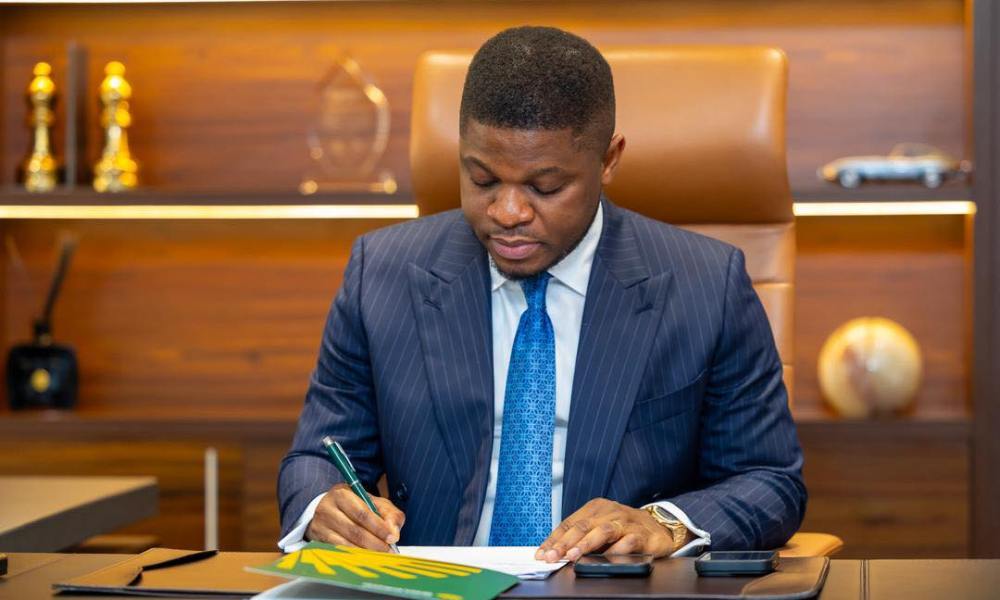
In a broader defence of the Gold-for-Reserves programme, Sammy Gyamfi said Ghana must stop treating accounting costs as failures and instead assess policy outcomes.
“The purpose of G4R was never profit,” he said on Newsfile monitored by MyNewsGh. “It was about foreign exchange accumulation and economic stability.”
He traced the programme’s origins to Ghana’s 2022 crisis, when debt defaults, currency depreciation, and market exclusion made dollar borrowing impossible. “Without reserves, your currency is dead,” Gyamfi said.
Under G4R, the Bank of Ghana uses cedis to buy gold locally and sells it for foreign exchange. “Yes, there are costs,” he admitted. “But those costs are intentional and strategic.”
To illustrate, he cited the sharp decline in small-scale gold exports after a 3% withholding tax was introduced in 2021. “FX inflows collapsed from $2 billion to $185 million,” he said.
For Gyamfi, the lesson is clear. “When the IMF or others talk about losses, they must weigh them against the benefits,” he argued, pointing to over $10.8 billion in forex inflows generated under the programme.
“So long as it props up the economy, stabilises the cedi, and builds reserves, the trade-off is justified,” he concluded.
[ad_2]


