


[ad_1]
The Institute for Democratic Governance (IDEG), a think tank focused on development and governance solutions, has warned that Ghana risks democratic backsliding if urgent constitutional reforms are not undertaken, citing prolonged delays in implementing long-proposed changes to the 1992 Constitution.
In a press statement issued on Wednesday, January 7, to mark Constitution Day and Ghana’s 34th consecutive year of constitutional rule, the Institute for Democratic Governance (IDEG) said more than a decade of stalled constitutional reform efforts had exposed deep structural weaknesses in Ghana’s democratic governance framework.
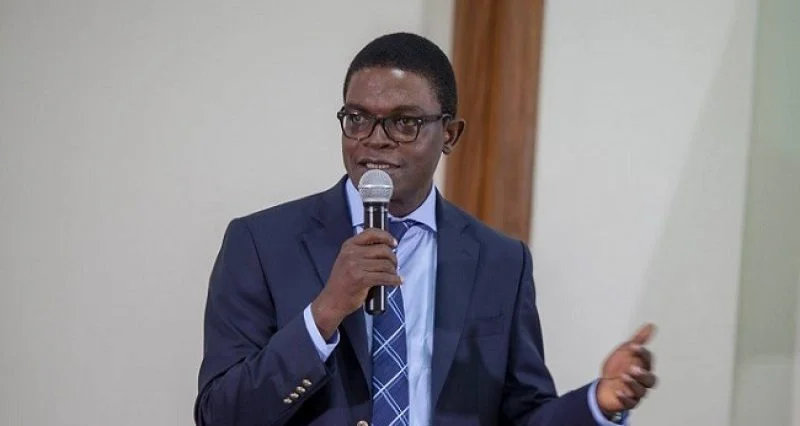
The statement signed by IDEG’s Executive Director, Dr Emmanuel O. Akwetey noted that successive governments over four electoral cycles, from 2012 to 2025, had been unable to implement recommendations arising from constitutional review processes, largely due to weak national consensus and the absence of a permanent, independent institutional framework to drive the reforms.
IDEG cautioned that the continued delay was occurring against a troubling regional backdrop marked by democratic regression in West Africa, declining confidence in multiparty democracy, rising public support for military rule, and growing youth disenchantment with what is perceived as an unresponsive political system.
“These trends collectively pose a serious threat to Ghana’s democratic consolidation and its long-standing role as a democratic anchor in the sub-region,” the statement said.
IDEG said the recent submission of the Constitution Review Committee’s report presented a critical opportunity to reset Ghana’s governance architecture and avert potential democratic decline.
The organisation commended President John Dramani Mahama for ensuring the immediate public release of the report, describing the move as a positive step towards transparency and inclusive reform.
The statement stressed that safeguarding Ghana’s democracy would require a broad national consensus, collective commitment to good governance, and a rejection of divisive politics.
It urged political leaders, civil society organisations, and citizens to draw lessons from previous failed reform attempts and recommit to implementing long-overdue constitutional changes.
IDEG added that without decisive action, public trust in democratic institutions could continue to erode, particularly among the youth, with far-reaching consequences for political stability and democratic governance in the country.
H. Kwasi Prempeh: Capping ministers unburdens President in appointments
[ad_2]