

Ghana’s music industry is entering what many observers describe as a defining era, marked by increased flexibility, innovation, and openness to new creative directions. As of April 12, 2026, industry conversations are increasingly centered on how these changes are reshaping the landscape for both emerging and established artists.
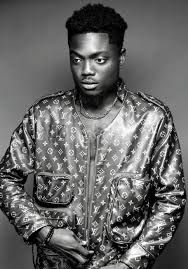
One of the strongest voices highlighting this shift is rising Ghanaian artist Yng Bartels, who believes the industry has become more accommodating to diverse musical expressions. According to him, today’s environment allows artists to explore their identities without being boxed into traditional expectations.
This flexibility has opened the floodgates for experimentation. Musicians are now blending Afrobeats, drill, highlife, and Amapiano in ways that were previously uncommon, creating hybrid sounds that appeal to a broader and more global audience.
The role of digital platforms in this transformation cannot be overstated. Streaming services such as Audiomack, Boomplay, and Apple Music have reduced entry barriers, giving independent artists the opportunity to distribute their music without the backing of major record labels.
Social media platforms have further accelerated this change. TikTok, Instagram, and YouTube are now central to music promotion, allowing artists to reach thousands—and sometimes millions—of listeners within hours of releasing a song.
This digital revolution has shifted power away from traditional gatekeepers and into the hands of creators. Artists are now able to control their narratives, build their brands, and engage directly with their audiences.
The Ghanaian audience itself has evolved alongside the industry. Today’s listeners are more adventurous and open to new sounds, encouraging artists to push creative boundaries.
Interestingly, established artists are also embracing this new wave. Many are collaborating with younger talents to stay relevant, resulting in a dynamic exchange of ideas across generations.
Cross-border collaborations are becoming increasingly common as well. Ghanaian artists are teaming up with counterparts from Nigeria, South Africa, and East Africa, strengthening the continent’s musical unity.
Despite the progress, the industry still faces notable challenges. Funding limitations, lack of infrastructure, and concerns over intellectual property rights remain persistent issues that need to be addressed.
There is also the ongoing debate about monetization. While streaming has increased exposure, many artists are still struggling to convert popularity into sustainable income.
Industry stakeholders are calling for stronger policies and investment to support the growth of the creative sector. This includes building studios, improving distribution systems, and enforcing copyright laws.
Education and mentorship are also gaining attention as critical components of development. More experienced professionals are beginning to guide younger artists, helping them navigate the complexities of the industry.
Looking ahead, the outlook for Ghana’s music industry remains highly optimistic. The combination of talent, technology, and global demand is creating unprecedented opportunities.
Ultimately, this new era of flexibility is not just changing the sound of Ghanaian music—it is redefining its identity on the global stage.


