


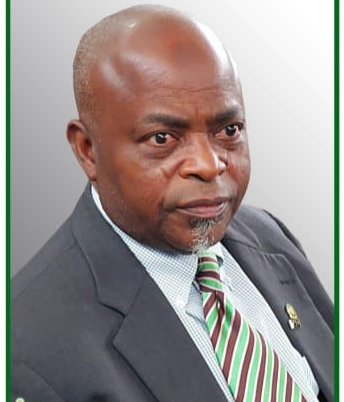
Abuja, Nigeria — Anticipation continues to surge ahead of the highly anticipated Papyrus Global Mayors Conference and Awards (PAGMACA) 2026, as organizers unveil another influential figure set to shape the event’s intellectual and policy direction. The inclusion of Mojeed Olujinmi Alabi as a keynote speaker signals a deliberate effort to deepen conversations around governance reform across Africa.
As momentum builds toward the three-day gathering scheduled for April 29 to May 1, 2026, in Abuja, PAGMACA is positioning itself as more than just a conference—it is evolving into a critical platform for redefining leadership and accountability structures across the continent. This year’s theme, “Strengthening Local Governance for Resilient, Inclusive, and Sustainable African Communities,” underscores the urgency of building systems that are both people-centered and future-ready.
The announcement of Prof. Alabi’s participation comes at a pivotal moment in Africa’s governance journey. Across many nations, citizens are increasingly demanding transparency, responsiveness, and tangible development outcomes from their leaders. Against this backdrop, his voice is expected to bring both clarity and depth to discussions around institutional reform.
Renowned for his dual expertise in academia and politics, Prof. Alabi embodies a rare blend of intellectual rigor and practical governance experience. His career trajectory reflects a deep commitment to strengthening democratic institutions while ensuring that governance systems remain accessible and effective at the grassroots level.
Currently serving as Provost of the College of Law at Osun State University, he has built a reputation as a thought leader in constitutional law, legislative studies, and public policy. His academic contributions have influenced both students and policymakers, making him a respected authority in governance discourse.
However, his impact extends far beyond the lecture halls. Prof. Alabi’s tenure as Speaker of the Osun State House of Assembly demonstrated his ability to translate theory into action. During this period, he played a pivotal role in shaping legislative frameworks and promoting governance practices that emphasized accountability and public engagement.
His experience at the national level further strengthens his profile. As a member of Nigeria’s House of Representatives during the 8th National Assembly, he contributed to legislative processes that aimed to enhance governance standards and institutional efficiency. This hands-on involvement in policymaking gives him a grounded perspective on the realities of governance in complex political environments.
At PAGMACA 2026, Prof. Alabi is expected to deliver a keynote session that delves into the critical intersection between legislative oversight and grassroots governance. His address will likely explore how democratic systems can be restructured to better serve local communities, ensuring that governance is not only effective but also inclusive.
One of the central themes anticipated in his session is the role of accountability systems in restoring public trust. Across Africa, trust in public institutions has faced significant challenges, often due to perceived gaps in transparency and service delivery. Prof. Alabi’s insights are expected to provide actionable pathways for rebuilding this trust through stronger oversight mechanisms.
In addition, his presentation is likely to examine the importance of decentralization in governance. By empowering local governments and enhancing their capacity, African nations can create more responsive systems that address community-specific needs while fostering sustainable development.
Organizers of PAGMACA have emphasized that Prof. Alabi’s selection aligns with their broader vision of bringing together leaders who bridge the gap between theory and practice. His ability to connect academic frameworks with real-world governance challenges makes him an ideal voice for the conference.
According to Doofan Damsa-Justin, Managing Director of The Papyrus Global and Project Initiator, the inclusion of experienced leaders like Prof. Alabi is essential for driving meaningful dialogue. He highlighted that governance reform requires not only ideas but also practical insights that can be implemented across diverse contexts.
He further stressed that as governance expectations continue to evolve across African societies, the need for credible and experienced voices becomes even more critical. Leaders who have navigated both academic and political landscapes are uniquely positioned to offer solutions that are both innovative and realistic.
PAGMACA 2026 is expected to attract a diverse audience, including over 60 mayors of African descent from across Africa, the United States, Asia, and Europe. This global representation reflects the conference’s ambition to foster cross-continental collaboration and knowledge exchange.
Beyond keynote sessions, the event will feature panel discussions, workshops, and networking opportunities designed to encourage dialogue among policymakers, development experts, and private sector stakeholders. These interactions are expected to generate fresh ideas and partnerships that can drive governance reform across the continent.
The conference also aims to highlight success stories and best practices from different regions, providing participants with practical examples of what works in governance. By showcasing these models, PAGMACA hopes to inspire replication and adaptation in various local contexts.
Another key focus of the event will be youth engagement. Recognizing that the future of governance lies in the hands of younger generations, organizers are committed to creating spaces where young leaders can contribute to policy discussions and innovation.
As preparations intensify, the confirmation of Prof. Alabi adds significant intellectual weight to the conference lineup. His presence is expected to elevate the quality of discourse and inspire participants to think critically about the future of governance in Africa.
Moreover, his contributions are likely to resonate beyond the conference itself. The ideas and recommendations emerging from his session could influence policy directions and governance reforms in multiple countries.
PAGMACA 2026 is not just an event—it is a movement aimed at transforming how governance is understood and practiced across Africa. By convening leaders, thinkers, and practitioners, it seeks to create a unified vision for sustainable and inclusive development.
With each new announcement, the conference continues to reinforce its status as a premier platform for forward-thinking leadership. The inclusion of Prof. Alabi is a testament to its commitment to excellence and impactful engagement.
As the countdown to April 2026 continues, all eyes will be on Abuja, where some of the continent’s most influential voices will gather to shape the future of governance. For many, PAGMACA 2026 represents a unique opportunity to be part of a transformative dialogue that could redefine leadership across Africa for years to come.


