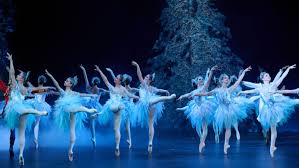
The timeless ballet classic The Nutcracker continues to captivate audiences at the Artscape Theatre Centre, drawing families and art enthusiasts to experience one of the most beloved stage productions in the world.
This year’s production combines traditional choreography with modern stage design, creating an immersive theatrical experience. Dancers delivered technically impressive performances, earning standing ovations from attendees.
Cape Town’s vibrant arts community has long supported live theatre, and Artscape remains a cornerstone institution in nurturing local and international productions. The theatre’s programming reflects a commitment to preserving classical art while encouraging contemporary creativity.
Beyond entertainment, ballet productions contribute to arts education and cultural preservation in South Africa. Young aspiring dancers often attend such performances for inspiration and professional exposure.
The sustained popularity of The Nutcracker highlights the enduring demand for high-quality performing arts experiences in Africa’s urban cultural hubs.
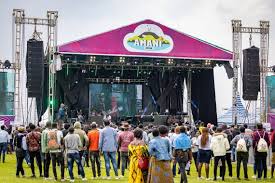
In the eastern city of Goma, the annual Festival Amani continues to stand as a powerful symbol of unity, resilience, and cultural celebration.
Founded with a mission to promote peace in the Democratic Republic of Congo, Festival Amani has grown into one of Central Africa’s most influential music events. The festival brings together artists from across Africa, using music as a bridge across communities.
This year’s edition once again emphasizes the theme of coexistence, highlighting how art can serve as a platform for dialogue and healing. Attendees experienced diverse performances spanning Afrobeat, reggae, gospel, and traditional Congolese rhythms.
Organizers maintain that cultural expression plays a crucial role in rebuilding social trust and inspiring hope among young people. In a region that has faced prolonged instability, Festival Amani represents a forward-looking vision grounded in creativity.
International visitors and regional tourists contribute to the local economy during the festival period, further reinforcing the event’s socio-economic importance.
Festival Amani demonstrates that Africa’s cultural festivals are not merely entertainment spectacles but platforms for social transformation and global cultural exchange.
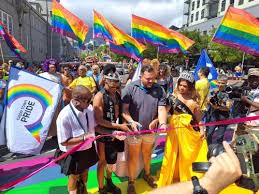
Cape Town is alive with colour and celebration as Pride festivities take center stage this weekend. The annual event has drawn thousands of attendees for parades, performances, markets, and community engagements that promote inclusivity and unity.
Beyond the parade, the weekend features music showcases, food markets, and cultural exhibitions, reflecting the city’s diverse creative energy. Pride celebrations continue to play a significant role in promoting awareness, cultural dialogue, and artistic expression within South Africa’s social landscape.
Local businesses and performers are also benefiting from increased tourism, reinforcing Cape Town’s position as one of Africa’s most vibrant cultural destinations.
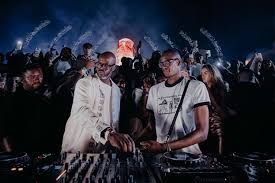
South Africa’s global reputation in electronic and house music received another boost as internationally acclaimed DJ Black Coffee headlined the Black Coffee Weekender in Cape Town.
The multi-day experience attracted music lovers from across the continent and beyond, reinforcing the country’s position as a global hub for Afro-house and electronic sound innovation. Known for blending deep house rhythms with African influences, Black Coffee continues to elevate South African music onto international stages.
The Weekender featured curated performances, immersive stage designs, and collaborations with emerging local DJs, creating a vibrant atmosphere that celebrated both legacy and new talent. Analysts note that events of this magnitude significantly contribute to South Africa’s tourism and nightlife economy.
Beyond entertainment, the festival underscores the export potential of African music. Afro-house has become a defining genre in global club culture, and South Africa remains at the forefront of its evolution.
Local businesses, hospitality venues, and independent vendors also experienced increased patronage during the event, demonstrating the ripple economic impact of large-scale cultural gatherings.
The success of the Weekender reflects a broader trend in which African artists are no longer just participants in global music scenes but leaders shaping global sonic trends.
Young innovators and aspiring creatives gathered at the University of Lagos today for the Dynasty Africa X MSA event themed “Creativity for the Future.” The capacity-building workshop focused on equipping students and emerging professionals with practical knowledge in marketing, media, and the broader creative economy.
The event featured industry experts who shared insights on branding, digital storytelling, entrepreneurship, and the monetization of creative skills in Africa’s rapidly expanding media landscape. Participants engaged in interactive sessions designed to foster innovation and collaboration among Nigeria’s next generation of creators.
Organizers emphasized the importance of preparing African youth for leadership roles in the continent’s evolving creative sector. With Africa’s entertainment and digital industries experiencing unprecedented growth, initiatives like Dynasty Africa X MSA aim to bridge the gap between talent and opportunity.
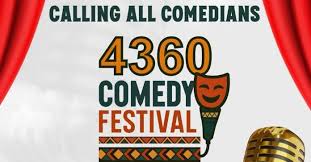
South Africa’s creative landscape is set for a major cultural moment as the 4360 International Comedy Festival positions township storytelling at the centre of global entertainment.
Named after Durban’s historic township postal code, the festival aims to amplify grassroots humour, lived experiences, and authentic African narratives through comedy. Organisers say the initiative seeks to challenge long-standing stereotypes while showcasing Africa’s diverse comedic talent to international audiences.
The festival will bring together comedians from across Africa and beyond, offering both established and emerging performers a platform to connect with global audiences. Applications have already drawn attention from creatives eager to share stories rooted in local realities.
According to the organisers, comedy remains one of the most powerful tools for social commentary, healing, and cultural exchange. By centring township voices, the festival hopes to reclaim narratives often marginalised in mainstream media.
Cultural analysts have welcomed the initiative, noting that it aligns with a growing movement to celebrate African creativity on its own terms rather than through external lenses.
Beyond entertainment, the festival is expected to boost cultural tourism in Durban, attracting visitors and industry professionals while reinforcing the city’s reputation as a creative hub.
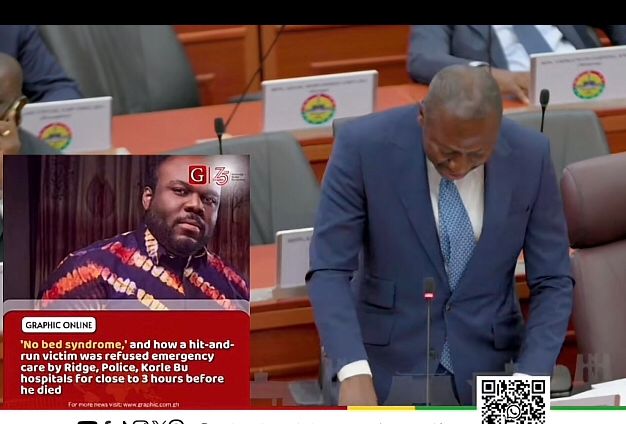
On the floor of Parliament, the Minority Leader, Osahen Alexander Afenyo-Markin, has called for comprehensive reforms within Ghana’s healthcare and emergency response systems following the tragic death of 29-year-old hit-and-run victim Charles Amissah.
Raising the matter during parliamentary proceedings, Afenyo-Markin expressed deep concern over reports that the young man was transferred from one public hospital to another and allegedly turned away repeatedly before eventually losing his life. He described the incident as a grave indictment on the country’s social protection and public health systems.
“If a man can be moved from one public hospital to another and turned away at every door until he dies, then the social contract has failed and none of us is safe,” the Minority Leader stated.
According to him, the circumstances surrounding Amissah’s death go beyond a single tragic incident and reflect systemic failures that place ordinary citizens at risk, particularly during medical emergencies. He stressed that access to emergency healthcare should never be determined by bureaucracy, logistics, or institutional hesitation.
Afenyo-Markin urged Parliament to treat the matter with urgency, calling on the Ministry of Health, the Ghana Health Service, and all relevant state agencies to conduct a thorough investigation into the incident and ensure accountability where necessary.
He further called for reforms aimed at strengthening emergency care coordination, improving referral systems among public hospitals, and enforcing clear protocols that prevent patients from being denied critical care in life-threatening situations.
The Minority Leader emphasized that public confidence in state institutions depends on their ability to protect lives, especially in moments of vulnerability. He warned that failure to act decisively would erode trust and deepen public frustration.
The death of Charles Amissah has since sparked public outrage, reigniting national conversations around road safety, emergency medical response, and the condition of Ghana’s public healthcare system.
As Parliament considers the call for reforms, many Ghanaians are watching closely to see whether the tragedy will lead to lasting institutional changes or become another unresolved national concern.
Popular Nollywood actor Ray Emodi has announced his exit from the Nigerian film industry, revealing that repeated traumatic experiences on movie sets have pushed him to step away from acting entirely.
In a candid statement shared publicly, Emodi disclosed that while filming a project in an unnamed town, the cast and crew were exposed to disturbing and unsafe conditions in nearby areas. According to him, filming continued despite the tense atmosphere, an experience he described as deeply unsettling and emotionally draining.
The actor noted that the incident was not isolated, but part of a broader pattern of working under unsafe and mentally exhausting circumstances, which ultimately led him to reassess his career path and personal well-being.
“I’ve stopped acting. I quit,” Emodi said, explaining that the psychological toll of such environments made it impossible for him to continue in the industry.
Following his departure from Nollywood, Emodi revealed that he is now turning his full attention to music. He stated that his focus will be on creating energetic, dance-driven sounds aimed at entertaining audiences and bringing people together on the dance floor.
The announcement has sparked widespread reactions across social media, with fans and colleagues expressing both surprise and support. Many have praised the actor for prioritizing his mental health, while others have raised renewed concerns about safety standards within parts of the film industry.
Ray Emodi, who built a strong reputation through his performances in romantic dramas and action-packed Nollywood productions, has not ruled out creative work entirely but made it clear that acting, for now, is no longer part of his journey.
As he embarks on this new musical chapter, fans are watching closely to see how the former actor reinvents himself beyond the screen.
Years back, I had the privilege of sitting down for an in-depth interview with Fimi Baby’s manager, alongside the talented Emmanuel Appiah, popularly known as Rebirth. It was more than just a conversation—it was a deep dive into the real journey behind the music, the grind, the sacrifices, and the belief it takes to build an artist from the ground up.
The interview touched on artist development, music business realities, branding, consistency, and the importance of having the right management structure in Ghana’s fast-evolving music industry. Hearing firsthand how strategies were shaped, challenges confronted, and dreams pursued offered rare insight into what truly happens behind the scenes—beyond the spotlight and stage lights.
What stood out most was the shared passion for growth and legacy. Rebirth spoke candidly about creativity, reinvention, and staying true to one’s purpose, while Fimi Baby’s management perspective highlighted the discipline, planning, and resilience required to push talent into recognition. It was an honest exchange that still resonates today.
Looking back, moments like these remind me why documenting stories matters. Conversations like this help preserve the history, lessons, and evolution of Ghanaian music, inspiring upcoming artists and managers to stay focused, patient, and intentional.
Grateful for the opportunity, the memories, and the journey. The culture lives on.
Khing Moses sat down for an insightful interview with the manager of Ghanaian artist Fimi Baby, alongside creative mind Emmanuel Appiah, popularly known as Rebirth. This conversation went beyond the surface, uncovering the real stories behind the music, artist management, creativity, and the grind it takes to survive in Ghana’s music industry.
In this interview, we discussed artist development, branding, consistency, industry challenges, and the role of management in shaping a successful music career. Rebirth shared powerful insights on creativity, reinvention, and staying focused on purpose, while the management perspective highlighted discipline, strategy, and long-term vision.
This throwback interview remains a valuable piece for upcoming artists, managers, and music lovers seeking to understand what truly happens behind the scenes in the African music space.
Don’t forget to LIKE, COMMENT, SHARE & SUBSCRIBE for more exclusive interviews and Ghanaian entertainment content.