[ad_1]
[ad_1]
[ad_1]
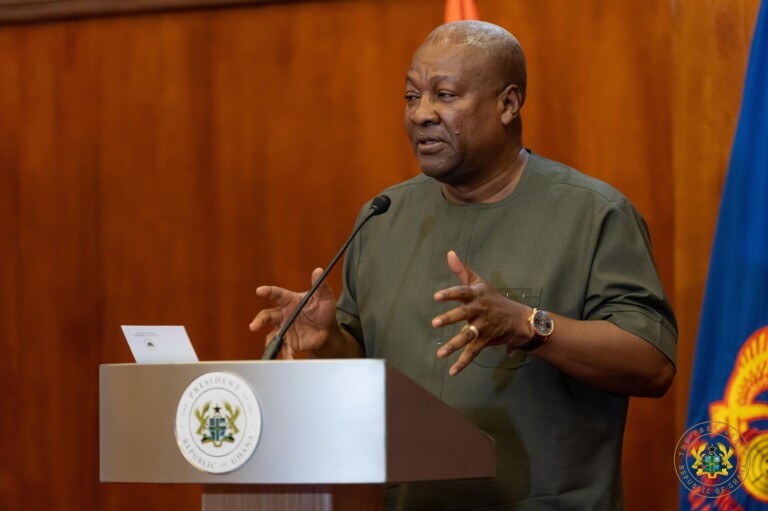
Some Ghanaians have expressed mixed reactions to a proposal by the Constitutional Review Consultative Committee (CRCC) for the presidents of Ghana to pay taxes on their salaries and emoluments.
The proposal is aimed at setting an example for the rest of the citizenry and reflects the principle of equality before the law and accords with the rule of law.
Some citizens have expressed divided opinions on the recommendation, with those in favour stating it would serve as a motivation for citizens to pay their taxes.
Mr Desmond Oti, a worker supporting the recommendation, said it was a good recommendation which must be extended to ministers of state and members of parliament.
“They take major decisions that affect the lives of ordinary people, so they should also feel the same financial pressures we face every day,” he noted.
Ms Rachel Owusu, a graduate student at the University of Media, Arts, and Communication (UniMAC–IJ), told the Ghana News Agency (GNA) that the President, as a salaried worker, should be subjected to the same tax obligations as all other citizens.
“The President works for the country and receives a monthly salary like any other worker, so he should also pay taxes. No one should be above the law,” she said, adding that the move would strengthen public trust in governance.
Mrs Abigail Darley Bortey, a trader, said many people in the informal sector viewed the president’s tax exemption as unfair, especially when market women and small business operators were required to pay taxes.
“If the President pays taxes, it shows he is a citizen like everyone else. It will encourage people to comply willingly because they will see that the law applies equally to everyone,” she said.
Meanwhile, Mr Samuel Addo argued that the President’s position was unique and should retain certain privileges, including tax exemptions.
He described the presidency as a demanding office that required constant sacrifice, adding that a tax-free salary was a modest way of recognising the responsibilities attached to the role.
“The President gives up his private life to serve the nation around the clock. Allowing him a tax-free salary helps to preserve the dignity and stature of the office,” he said.
SOURCE: BBC NEWS
[ad_1]
[ad_1]
The Executive Director of the Media Foundation for West Africa (MFWA), Sulemana Braimah, has expressed support for the government’s proposal to replace the current TV licence regime with a public media levy.
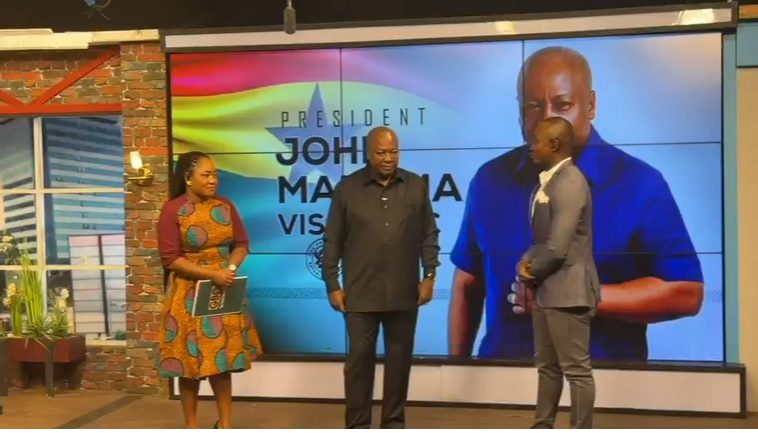
President John Dramani Mahama, during a visit to the Ghana Broadcasting Corporation (GBC) on Thursday, January 8, disclosed that Cabinet is considering reforms to the country’s TV licence law, with plans to submit proposed amendments to Parliament.
According to the President, the proposed reforms seek to replace the existing TV licence system with a public media levy aimed at improving and sustaining funding for public broadcasting institutions.
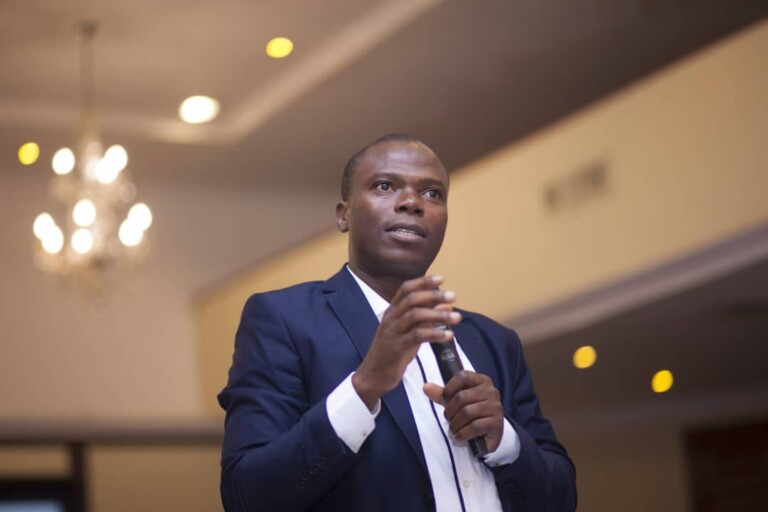
Speaking on Eyewitness News on Thursday, January 8, 2026, Mr. Braimah noted that the current TV licensing framework has proven difficult to enforce, largely due to challenges associated with its structure and implementation.
“Laws are made to work, but sometimes implementation becomes a challenge. In the case of the TV licensing law, enforcement has been the major problem,” he said.
He argued that a public media levy, if properly designed and legislated, could better serve the national interest by revitalising the Ghana Broadcasting Corporation.
“If we have legislation that serves a critical public interest, such as revamping GBC, I think it would work. Continuing to rely on the TV licensing mechanism presents challenges with collection and enforcement. The approach being considered by the presidency could therefore be a viable alternative,” he added.
The TV licence in Ghana is a legal fee introduced under the Television Licensing Act, 1966 (NLCD 89) that requires individuals and entities that own or use television receiving sets to pay an annual fee to the Ghana Broadcasting Corporation (GBC).
The primary purpose of the TV licence fee is to support public service broadcasting by generating revenue for the GBC independent of government budgets and commercial advertising.
[ad_1]
[ad_1]
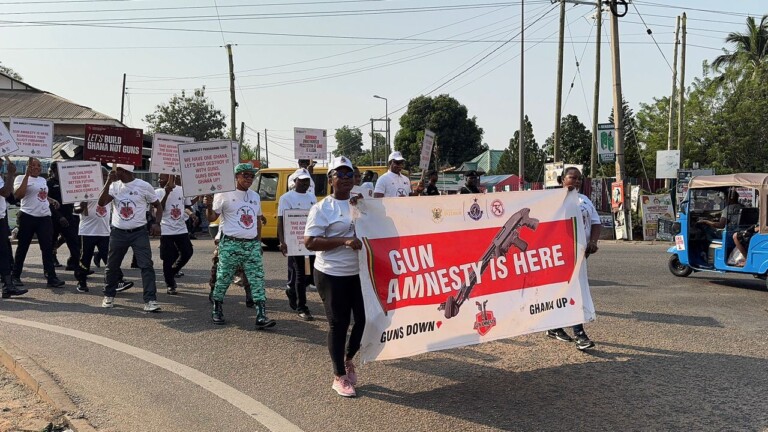
The Gun Amnesty Programme Train, which has been engaging communities across the Volta Region to create awareness on the need for citizens to voluntarily surrender illicit firearms, has climaxed its regional activities with a Health Walk in Ho.
The sensitisation tour, which began on Tuesday, formed part of nationwide efforts to educate the public on the objectives and benefits of the Gun Amnesty Programme and to encourage the surrender of unauthorised firearms without fear of arrest or prosecution within the amnesty period.
The health walk, held in the early hours of Thursday, January 8, was aimed at deepening public awareness in Ho and the Volta Region at large, while demonstrating the collective commitment of state institutions and stakeholders to peace and security.
Participants in the walk included personnel from all allied security agencies, some District Chief Executives (DCEs), heads of departments from the Volta Regional Coordinating Council (VRCC), the Clergy, traditional leaders, members of the media, and other individuals.
Addressing participants at the end of the walk, Dr. Adam Bobaa re-echoed the urgent need for individuals in possession of illicit firearms to surrender them before the expiration of the amnesty period.
He explained that the programme was designed to reduce the proliferation of small arms and light weapons, which posed serious threats to public safety and national security.
Alhaji Mohammed Avona Akape also urged all security personnel and participants to serve as ambassadors of the Gun Amnesty Programme by spreading the message in their respective communities.
He reaffirmed the commitment of the Volta Regional Coordinating Council to ensure that all illicit firearms within the region were surrendered, adding that collective responsibility was key to the success of the initiative.

Mr. Jerry Ameko, District Chief Executive of Adaklu and Dean of Municipal and District Chief Executives (MDCEs) in the Volta Region, said all MDCEs would intensify public education in their districts.
He noted that as heads of the Municipal and District Security Committees (MUSEC and DISEC), MDCEs would ensure the message reached every community to enable citizens to comply fully with the amnesty directive.
Heads of the various security agencies present also encouraged residents to take advantage of the amnesty window to surrender illicit firearms, warning that failure to do so could result in arrest and prosecution after the amnesty period.
The Gun Amnesty Programme is expected to contribute significantly to peacebuilding, crime prevention, and the creation of a safer environment for socio-economic development in the Volta Region and beyond.
Source: GNA