


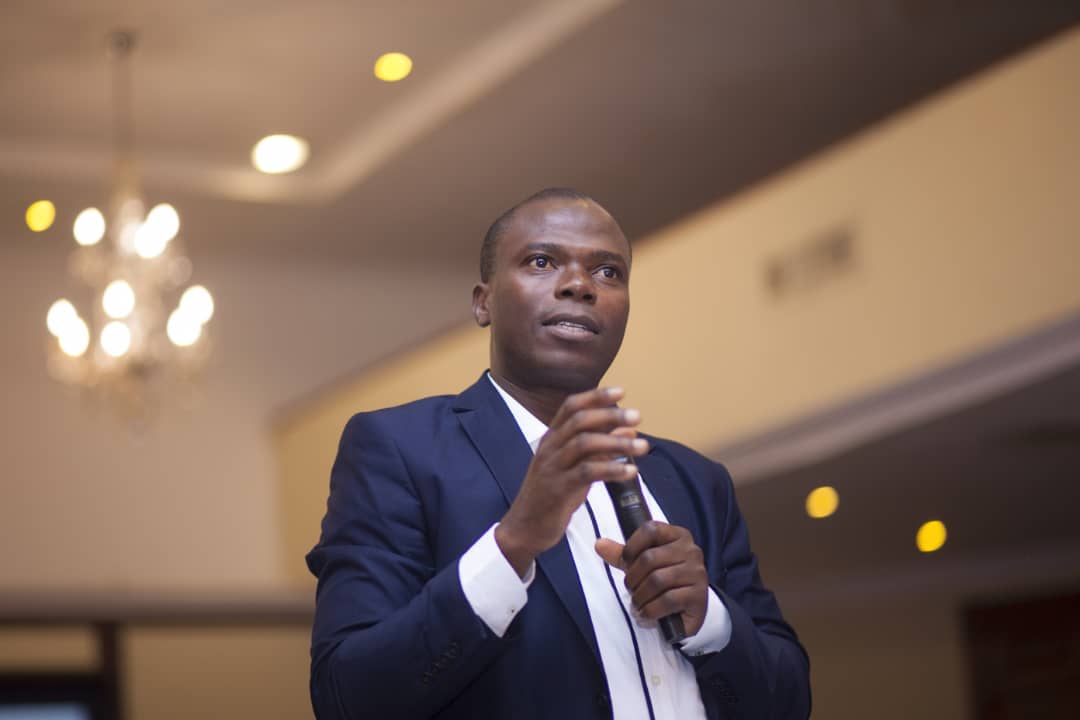
The Executive Director of the Media Foundation for West Africa (MFWA), Sulemana Braimah, has expressed support for the government’s proposal to replace the current TV licence regime with a public media levy.
President John Dramani Mahama, during a visit to the Ghana Broadcasting Corporation (GBC) on Thursday, January 8, disclosed that Cabinet is considering reforms to the country’s TV licence law, with plans to submit proposed amendments to Parliament.
According to the President, the proposed reforms seek to replace the existing TV licence system with a public media levy aimed at improving and sustaining funding for public broadcasting institutions.
Speaking on Eyewitness News on Thursday, January 8, 2026, Mr. Braimah noted that the current TV licensing framework has proven difficult to enforce, largely due to challenges associated with its structure and implementation.
“Laws are made to work, but sometimes implementation becomes a challenge. In the case of the TV licensing law, enforcement has been the major problem,” he said.
He argued that a public media levy, if properly designed and legislated, could better serve the national interest by revitalising the Ghana Broadcasting Corporation.
“If we have legislation that serves a critical public interest, such as revamping GBC, I think it would work. Continuing to rely on the TV licensing mechanism presents challenges with collection and enforcement. The approach being considered by the presidency could therefore be a viable alternative,” he added.
The TV licence in Ghana is a legal fee introduced under the Television Licensing Act, 1966 (NLCD 89) that requires individuals and entities that own or use television receiving sets to pay an annual fee to the Ghana Broadcasting Corporation (GBC).
The primary purpose of the TV licence fee is to support public service broadcasting by generating revenue for the GBC independent of government budgets and commercial advertising.

