Home Blog Page 45

Minister Haruna Iddrisu Commends UEW for Excellence in Teacher Training and Education Innovation

0

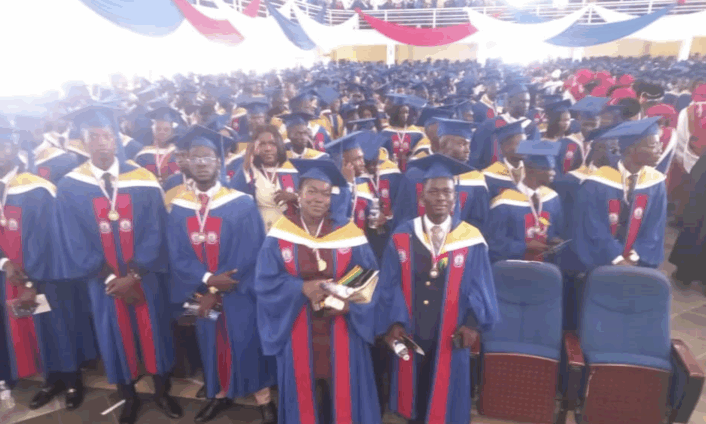
Minister for Education, Haruna Iddrisu, has lauded the leadership of the University of Education, Winneba (UEW), for their steadfast commitment to advancing teacher development, digital innovation, academic excellence, and graduate employability.

“You continue to demonstrate leadership in teacher quality enhancement, inclusive education strategies, postgraduate training, research into teaching and learning innovations, and mentoring the next generation of educators and administrators,” the Minister stated in a speech delivered on his behalf during the first session of the university’s 30th congregation.

A total of 8,288 students graduated from UEW across multiple faculties and schools, including Health, Allied Sciences and Home Economics Education, School of Business, Science Education, School of Education and Lifelong Learning, School of Communication and Media Studies, Faculty of Ghanaian Languages Education, Social Sciences Education, Social Studies Education, Foreign Languages Education, School of Graduate Studies, and the School of Creative Arts. The graduands were conferred with degrees, diplomas, and certificates.

According to Minister Iddrisu, UEW’s initiatives are central to the Ministry’s broader objectives of improving learning outcomes, strengthening teacher professionalism, and expanding technical and vocational capacity nationwide. He reaffirmed the Ministry’s commitment to supporting the university in achieving these goals.

He emphasized that UEW’s mission goes beyond awarding degrees, highlighting the institution’s role in shaping competent professional educators who form the backbone of Ghana’s workforce.

“The mission of UEW is not simply to award degrees; it is to shape the minds that shape the future,” the Minister remarked.

Addressing the graduands, Mr. Iddrisu encouraged them to embrace their new responsibilities with dedication and integrity. “Your graduation marks the beginning of a journey to lead, teach, inspire, and transform. As products of UEW, you must teach with passion, lead with humility, innovate fearlessly, serve with integrity, and inspire others to believe in themselves,” he said.

He further urged them to let their brilliance shine in classrooms, community leadership, administration, research, and public service, stressing that the nation depends on their knowledge and skill.

Professor Stephen Jobson Mitchual, Vice Chancellor of UEW, commended the government for its continuous support of the university. Reflecting on key national developments, he praised President John Mahama’s leadership style and decisive actions in promoting socio-economic development.

The VC also acknowledged the government’s commitment to transparency and collective efforts to curb illegal mining, emphasizing that UEW will continue to provide research-based insights and constructive contributions to the fight against galamsey.

Addressing the recent directive to implement Ghanaian languages as the medium of instruction from KG to Primary Three, Prof. Mitchual affirmed the university’s support for the policy, noting that its success will rely on professional expertise in language education, pedagogy, and curriculum development.

UEW remains committed to transforming knowledge into a force for societal enlightenment and empowerment for current and future generations. The Vice Chancellor also expressed gratitude to partners, including World Medical Relief for their upcoming donation of medical equipment and the Ghana Health Service for contributing equipment worth GH¢1 million.

“These contributions will significantly enhance our hospital’s capacity and strengthen our mission of providing quality healthcare services to our community and beyond,” Prof. Mitchual added.

Asantehene to Submit Bawku Peace Mediation Report to President Mahama

0

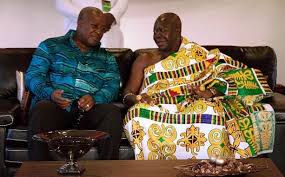
The Asantehene, Otumfuo Osei Tutu II, is set to present a comprehensive report on the Bawku peace mediation to President John Dramani Mahama today, December 16, marking a key milestone in efforts to achieve lasting stability in the municipality.

Appointed earlier this year by President Mahama, the Asantehene has been tasked with leading mediation efforts to resolve the long-standing chieftaincy dispute that has historically caused tension and conflict in Bawku.

The mediation process began in April 2025, with Otumfuo conducting separate consultations with leaders and representatives from the rival factions. These initial engagements were aimed at building trust, fostering dialogue, and establishing a foundation for peaceful negotiation.

Although the discussions experienced a temporary pause, they resumed in May 2025 and have since contributed to a period of relative calm in the previously volatile region.

The report to be submitted is expected to detail the progress achieved, identify ongoing challenges, and provide actionable recommendations to guide the government’s next steps toward sustainable peace in Bawku.

In parallel, the Ghana Armed Forces have confirmed that security presence in the area has been strengthened to maintain law and order as mediation efforts continue.

Kenya signs landmark $311m power transmission deal to strengthen National grid.

0

By Moses Akarh
Published: December 16, 2025

On Monday, December 15, 2025, Kenya took a major stride in modernizing its energy sector by signing a $311 million public-private partnership (PPP) agreement aimed at upgrading and expanding the nation’s power transmission network. This transformative investment underscores Kenya’s commitment to reliable electricity access and its vision of achieving a fully sustainable energy sector.

Major Power Infrastructure Deal Details

The deal, valued at approximately KSh 40.4 billion, was signed by the Kenya Electricity Transmission Company Limited (KETRACO) alongside two major partners: Africa50, a pan-African infrastructure investment fund, and the Power Grid Corporation of India. This collaboration reflects a growing trend in Kenya towards public-private partnerships to finance critical infrastructure, thereby reducing the reliance on government funding and leveraging international expertise.

Key Features of the Agreement:

  • Total Value: $311 million (≈ KSh 40.4 billion)

  • Partners: KETRACO, Africa50, Power Grid Corporation of India

  • Structure: Public-Private Partnership (PPP)

  • Scope: Design, finance, build, operate, and maintain two high-voltage transmission lines to improve grid stability and support renewable energy integration.

Transmission Lines and Strategic Impact

The project focuses on constructing 202 kilometers (125 miles) of high-voltage lines in Kenya’s western region, an area that has historically faced frequent power losses and supply unreliability. The two critical lines included in the project are:

  1. Lessos to Loosuk Line: Estimated at $214 million, this line will strengthen electricity delivery to western counties, reducing outages and stabilizing the regional grid.

  2. Kibos–Kakamega–Musaga Line: Valued at $97 million, this line will further improve reliability, particularly for northern and western Kenya.

These projects are expected to significantly lower technical losses, which were estimated at 23% in 2023, and facilitate the evacuation of renewable energy from geothermal and hydroelectric sources, a sector where Kenya has established global leadership.

Kenya’s Broader Energy Vision

This $311 million transmission project is part of a larger strategy to achieve universal electricity access by 2030 while relying predominantly on clean energy sources. Key initiatives include:

  • National Infrastructure Fund: The Cabinet has approved a KSh 5 trillion (~$38 billion) fund to mobilize public and private capital for infrastructure projects nationwide, with a strong focus on the power sector.

  • Electricity Capacity Expansion: Kenya plans to add 10,000 MW to the national grid over the next seven years, surpassing the current installed capacity of 3.3 GW, to support industrial growth and urban development.

  • Olkaria VII Geothermal Project: Expansion plans for Olkaria VII aim to add 80.3 MW by 2027, further reducing fossil fuel dependence and reinforcing Kenya’s status as a geothermal powerhouse.

Significance of the Deal

This landmark agreement is a testament to Kenya’s proactive approach in mobilizing international partnerships and innovative financing to de-risk critical infrastructure investments. By leveraging PPP models, Kenya not only attracts foreign investment but also ensures efficiency and technical expertise in implementing complex projects.

Experts suggest that these transmission lines will not only stabilize electricity supply in the targeted regions but will also create opportunities for industrial and technological growth by ensuring a reliable power flow to key commercial hubs. Additionally, these projects align seamlessly with Kenya’s long-term ambition to integrate more renewable energy into the national grid.

Regional and Economic Implications

Improved power transmission in western and northern Kenya is expected to attract both domestic and foreign investment in industrial, agricultural, and commercial sectors. Reliable energy supply is crucial for manufacturing, agro-processing, and ICT hubs, which are central to Kenya’s Vision 2030 industrialization targets.

Furthermore, the collaboration with Africa50 and the Power Grid Corporation of India sets a precedent for future cross-border infrastructure investments in Africa. This model could be replicated in other energy projects across the continent, contributing to regional stability and sustainable development.

Conclusion

The $311 million Kenya power transmission deal is more than just an infrastructure project—it represents a strategic investment in the nation’s future. By combining international expertise, innovative financing, and a commitment to renewable energy, Kenya is positioning itself as a regional leader in energy innovation.

As the project moves into the construction phase, the country looks forward to a future where electricity supply is more stable, efficient, and greener, powering economic growth and improving the quality of life for millions of Kenyans.

Abu Trica Arrested in Ghana Over Alleged $8 Million U.S. Romance-Scam Case.

0

Frederick Kumi — widely known online as “Abu Trica” — was arrested in Ghana on December 11, 2025, after U.S. prosecutors unsealed an indictment accusing him of participating in a multi-million-dollar romance-scam operation that targeted elderly Americans.

The unsealed U.S. indictment, filed in federal court, alleges that Kumi was part of a criminal network that defrauded victims of more than $8 million between 2023 and 2025. The Justice Department statement made clear that the charges are formal allegations contained in the indictment, not findings of guilt.

According to prosecutors, the scheme functioned as a romance scam: members of the network used fabricated online identities to befriend victims on dating sites and social media, then persuaded them to send money or transfer assets by exploiting emotional trust. The indictment says this operation targeted older Americans in particular.

Investigators say the syndicate used increasingly sophisticated methods to create convincing false identities, including the use of artificial-intelligence tools to generate photos and messages that appeared authentic. The indictment highlights that technology amplified the reach and believability of the scammers’ fake personas.

The U.S. charges against Kumi include conspiracy to commit wire fraud, money-laundering conspiracy, and a forfeiture specification — federal offenses that carry substantial prison terms if convicted. Prosecutors have said the wire-fraud and money-laundering counts alone each carry maximum penalties of up to 20 years in prison.

U.S. authorities and Ghanaian law-enforcement partners executed a joint operation that resulted in Kumi’s arrest in Ghana. Local agencies including the Economic and Organised Crime Office (EOCO) have publicly confirmed cooperation with the U.S. investigation, underscoring the transnational nature of the probe.

The U.S. Department of Justice statement that accompanied the unsealed indictment described a trail of financial transactions connecting U.S. victims’ payments to co-conspirators in Ghana and elsewhere, and alleges that funds were moved through a network of accounts to conceal the proceeds.

Local Ghanaian news outlets and international press picked up the DOJ’s announcement quickly, reporting that the alleged scheme involved targeted solicitations, fabricated emergencies, and promises of investment returns — classic romance-scam tactics adapted and scaled via social media platforms.

Public reaction in Ghana has been immediate and polarized. Some internet users and fans expressed disbelief, while others called for a full and transparent investigation. Prominent Ghanaian lawyers have offered to represent Kumi on extradition and related legal questions, signaling the likely contest over jurisdiction and transfer.

At the center of any extradition debate will be whether Ghanaian authorities will transfer Kumi to U.S. custody or whether the U.S. will seek formal extradition through diplomatic and judicial channels. That process can be lengthy and contentious, often involving hearings in Ghana’s courts and consideration of treaty obligations.

The indictment’s money-movement allegations are important because federal prosecutors typically rely on financial records — bank transfers, wire records, and account ledgers — to link defendants to the proceeds of fraud. If the DOJ can trace funds from victims to co-conspirators, that evidence will form the backbone of the case.

Legal experts note that an indictment is the start of the formal adversarial process in U.S. federal court. The government must prove guilt beyond a reasonable doubt at trial, or obtain a conviction through a negotiated plea. The statutory maximum sentences referenced in press releases do not predict actual sentences, which depend on sentencing guidelines and case specifics.

For defendants indicted abroad, extradition is a common but not inevitable outcome. Ghana’s judiciary will examine any U.S. extradition request for procedural regularity and treaty compliance, and defense counsel may argue against extradition on multiple grounds — from insufficient evidence to human-rights or diplomatic considerations.

The DOJ’s press materials emphasize the case as part of the Elder Justice Initiative, a federal effort to prevent and prosecute exploitation of older Americans. That designation signals prioritization by U.S. prosecutors and often brings additional investigative resources and scrutiny.

Beyond the criminal indictment, prosecutors have invoked forfeiture provisions that seek to recover ill-gotten gains. Forfeiture specifications commonly request seizure of assets tied to unlawful activity; in fraud cases, this may include bank accounts, vehicles, and other property alleged to be purchased with proceeds.

If the case proceeds to trial in the U.S., prosecutors will likely call victims to testify, present communications and wire records, and introduce expert testimony on digital-forensics, social-media impersonation, and AI-generated content. Defense teams typically challenge the provenance and interpretation of such evidence.

For media outlets, ethical reporting requires careful language. Because Kumi is accused in an indictment, published coverage should use terms such as “alleged” and “indicted,” avoiding present-tense declarations of guilt. The DOJ press release and reputable reporting follow this standard; local outlets in Ghana have echoed that cautious framing.

From a criminal-law perspective, two of the most contested issues will likely be identity and intent: whether Kumi personally orchestrated or materially assisted the fraud, and whether he knowingly participated in the scheme to defraud U.S. victims. Prosecutors must prove those elements beyond a reasonable doubt.

Another anticipated battleground is digital evidence authenticity. Defense teams often question how social accounts were linked to a defendant and whether AI-generated materials can be reliably attributed to specific individuals — issues that raise technical and legal challenges about admissibility and chain of custody.

The involvement of AI in producing scam content introduces novel evidentiary questions. Courts are only beginning to confront how to explain, validate, and admit AI-generated images, voice clones, or synthetic text in criminal trials — a development that may require expert witnesses and careful jury instructions.

Beyond the immediate criminal case, the public fallout is likely to affect Kumi’s business relationships, social-media sponsorships, and reputation in Ghana. Even allegations alone can lead to frozen partnerships, brand distancing, and civil suits from parties who claim financial or reputational harm.

The U.S. indictment also spotlights how international cooperation between domestic law enforcement and U.S. agencies like the FBI is evolving to combat transnational online fraud. Joint operations, asset tracing, and synchronized arrests have become central tools in disrupting syndicates that operate across borders.

If Kumi is transferred to U.S. custody, the initial federal court appearance (arraignment) will involve formal reading of the charges, consideration of bail, and appointment of counsel if the defendant lacks private representation. Pretrial motions on evidence and jurisdiction commonly follow.

For relatives of alleged victims and advocacy groups, the case raises policy questions about safeguarding older adults online. Experts emphasize prevention measures — from digital-literacy programs to platform moderation and financial red flags — to reduce the exposure of seniors to romance and investment scams.

Civil remedies may run in parallel with the criminal process. Victims sometimes file civil suits seeking restitution or return of assets; courts can award monetary judgments separate from criminal forfeiture proceedings, though collecting on such judgments remains challenging when funds are scattered across jurisdictions.

Ghanaian authorities’ cooperation will matter for both evidence preservation and political optics. Quick arrests following U.S. charges can be portrayed domestically as decisive action against fraud, but they also invite scrutiny about due process, press leaks, and the handling of suspects before extradition.

Observers who follow cyber-fraud cases note that plea bargains remain common, particularly where defendants face strong documentary evidence of money flows. Plea deals can secure admissions, victim restitution, and cooperation against co-conspirators — but they require defendants to accept guilt and surrender certain rights.

If the case goes to a contested trial, prosecutors must jury-proof technical evidence and translate complex financial trails into a clear narrative that jurors can follow. Defense attorneys will counter with alternative explanations for transfers, attacks on witness credibility, and challenges to digital forensics.

For Ghana’s legal community, high-profile extradition cases often become test cases for bilateral legal cooperation — shaping future treaty practice, courtroom procedure, and diplomatic negotiation when citizens are accused of crimes abroad.

At the moment, Kumi stands indicted in the United States and detained in Ghana following his arrest. The indictment’s allegations — including the $8 million figure, the asserted use of AI, and the wire-fraud and money-laundering counts — are the central facts that prosecutors will attempt to prove in court.

The next legal steps to watch are: whether Ghana approves extradition, the scheduling of any extradition hearing, the U.S. government’s filing of transfer paperwork, and pretrial motions that could shape available evidence. Each procedural stage can take weeks or months and will be monitored by both Ghanaian and international media.

Finally, whether in Ghana or the United States, due process remains a cornerstone: an indictment is an accusation, and the justice system’s sequential safeguards — counsel, hearings, discovery, and trial — are where contested facts will be tested. The public and victims deserve transparency, but legal accuracy and respect for procedural rights are equally essential. Department of Justice

Pearl Andrews Clinches Ladies Division B Title at Tafo Open Golf Tournament

0

Pearl Andrews of Sinapi Aba Savings and Loans has added another milestone to her sporting career after securing victory in the Ladies Division B category at this year’s Tafo Open Golf Tournament.

Displaying consistency and composure over the two-day championship, Andrews returned a total score of 138 to emerge as the division’s top performer, reinforcing her growing status within Ghana’s competitive corporate golf scene.

The Tafo Open, the premier tournament of the Cocoa Research Institute of Ghana (CRIG) Golf Club, is staged annually at New Tafo-Akyem in the Eastern Region. Over the years, the event has steadily gained prominence, attracting golfers from across Ghana as well as international participants, including players from France and Canada.

A total of 54 golfers competed in various divisions at this year’s edition, reflecting the tournament’s expanding reach and rising profile within the local golfing fraternity.

Beyond the competitive action, organisers emphasised that the Tafo Open serves as a platform for business engagement and social interaction, offering corporate brands the opportunity to promote their products and services while strengthening professional relationships.

The tournament is part of CRIG Golf Club’s broader programme of events, which features club championships, monthly medal competitions and other fixtures designed to grow the sport and deepen camaraderie among members.

Andrews’ latest triumph underscores the increasing impact of corporate professionals in Ghana’s golfing landscape and highlights the steady rise of women’s participation and success in the sport.

Regal Film Festival and Awards Debuts in Grand Style, Celebrates African Cinema in Accra

0

The richness and growing global influence of African cinema took centre stage on Saturday, December 13, 2025, as the maiden edition of the Regal Film Festival and Awards (REFFA) crowned its inaugural winners at a glamorous ceremony held at the Palms Convention Centre inside the La Palm Royal Beach Hotel in Accra.

The historic awards night followed an intensive four-day film festival that featured curated screenings, industry masterclasses, panel discussions, and high-level networking sessions, positioning REFFA as a bold new pan-African platform dedicated to storytelling, collaboration, and film industry development.

Filmmakers, actors, producers, distributors, and creative stakeholders from across the continent and the African diaspora turned out in large numbers, affirming the festival’s immediate relevance and appeal within the global film community.

A Night of Glamour and Continental Unity

The red carpet came alive with breathtaking African fashion, culture, and elegance, setting the tone for a night devoted to artistic excellence. Delegates and guests arrived from major film hubs including Ghana, Nigeria, South Africa, Kenya, Uganda, Morocco, Mauritius, and several other countries, underscoring REFFA’s commitment to fostering unity and cross-border collaboration in African filmmaking.

The Executive Director of REFFA, Selassie Ibrahim, together with his team, received widespread praise for successfully launching a platform that not only honours cinematic excellence but also bridges creativity, technology, and financing within Africa’s rapidly evolving film ecosystem.

The strong presence of both established industry icons and emerging talents highlighted the festival’s role in nurturing the next generation of African filmmakers while amplifying globally competitive storytelling.

‘3 Cold Dishes’ Dominates the Night

The night’s biggest winner was the critically acclaimed film 3 Cold Dishes, directed by Oluseyi Asurf Amuwa and produced by Grammy Award-winning artiste Burna Boy. The film swept multiple major categories, including Best Actress, Most Promising Actor, Achievement in Production Design, Achievement in Sound, and Best Cinematography.

Crowning its dominant performance, 3 Cold Dishes also secured the coveted Best Picture award, earning the production team a brand-new car in addition to the top honour.

Overall, the awards celebrated films submitted from more than 21 countries, reflecting the diversity, depth, and creative strength of African cinema across genres and languages.

Distinguished Guests and Star Performances

The event attracted a host of high-profile dignitaries, including the Second Lady of the Republic of Ghana, H.E. Naana Jane Opoku-Agyemang; the Chief of Staff, Hon. Julius Debrah; Archbishop Nicholas Duncan-Williams; Deputy Chief of Staff, Hon. Nana Oye Bampoe Addo; Minister for Tourism, Culture and Creative Arts, Hon. Abla Dzifa Gomashie; and business mogul Mr Ibrahim Mahama.

Royal representation was also present, with delegates from the Ga Mantse, King Tackie Teiko Tsuru II, and His Royal Majesty Otumfour Osei Tutu II, adding cultural gravitas to the occasion.

Musical performances lit up the night, with electrifying sets from Sonnie Badu, Diana Hamilton, King Promise, Kizz Daniel, Empress Gifty, Nene Narh, Parrot Mouth, Kwan Pa Band, and Patchbay Band, blending film and music into a vibrant celebration of African creativity.

A New Chapter for African Film

The successful conclusion of the maiden REFFA Awards sent a clear and powerful message: African cinema is thriving, competitive, and ready for the global stage. The festival’s debut in Accra marks the beginning of a new era of collaboration, recognition, and international visibility for African storytellers.

Full List of Winners – REFFA 2025

Best FilmRISE (Zimbabwe)
Best DocumentaryBeyond Olympic Glory (Nigeria)
Best AnimationThe Guardians: The Chosen Ones (Ghana)
Best Student FilmEbu (Ghana)

Best Actor (Male) – Ricky Adelayitar – The Fisherman (Ghana)
Best Actor (Female) – Fat Toure / Osas Ighodaro / Maud Guerard – 3 Cold Dishes
Best Supporting Actor (Male) – Clemento Suarez (Ghana)
Best Supporting Actor (Female) – Mercy Aigbe – My Mother Is a Witch (Nigeria)
Most Promising Actor – Maud Guerard – 3 Cold Dishes (Nigeria)
Best Child Actor – Sikhanyiso Ngwenya – Rise (Zimbabwe)

Achievement in Costume Design – Joan Nantege – Karamoja (Uganda)
Achievement in Production Design – Asurf Oluseyi – 3 Cold Dishes (Nigeria)
Achievement in Make-Up – Alakpa Uduoghene – My Mother Is a Witch (Nigeria)
Achievement in Sound – Andrew Ahuura – 3 Cold Dishes (Nigeria)
Achievement in Visual Effects – Darie Amai Shelton / Nurudeen Tahiru – The Fisherman (Ghana)
Achievement in Cinematography – KC Obiajulu – 3 Cold Dishes (Nigeria)
Achievement in Editing – Jasmin Way – The Fisherman (Ghana)
Achievement in ScreenplayMy Mother Is a Witch (Nigeria)
Achievement in Directing – Asurf Oluseyi – 3 Cold Dishes

Best Picture3 Cold Dishes (Nigeria)
Best Ghanaian FilmThe Fisherman (Ghana)
Best African Language FilmKaramoja (Uganda)

NPP Flagbearer Contest Heats Up as Agyapong Attacks Party Establishment

0

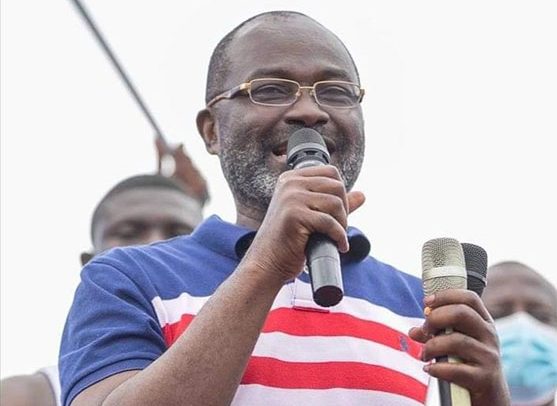
New Patriotic Party (NPP) flagbearer aspirant, Kennedy Ohene Agyapong, has launched a stinging verbal attack on former Vice-President and the party’s 2024 presidential candidate, Dr Mahamudu Bawumia, insisting that the former Vice-President plays no role whatsoever in his personal or political life.

According to Mr Agyapong, Dr Bawumia is irrelevant to him, stressing that he deliberately avoids engaging with him in any capacity.

“I do not concern myself with Dr Bawumia,” he stated. “In my life, he does not exist. If he did, it could push me into doing something I would regret. That is how strongly I feel.”

Mr Agyapong further alleged that Dr Bawumia was behind certain controversial remarks made by the Bono Regional Chairman of the party, Kwame Baffoe, popularly known as Abronye DC. However, he declined to provide further details on the matter.

Turning his attention to the party’s internal processes, the Assin Central Member of Parliament cautioned against any attempt to manipulate the forthcoming NPP flagbearer election. He warned that such actions could undermine the credibility of the party’s internal democratic structures.

“I may not have time for them, but that does not give anyone the right to rig the elections,” he said. “I trust the party’s systems, and I am aware of the Electoral Commission officials my opponents have engaged. There is a deliberate plan to use the party’s internal security machinery to intimidate and embarrass certain individuals.”

Mr Agyapong also revisited a previous incident at the residence of former President Nana Addo Dankwa Akufo-Addo, claiming that comments he made at the time were distorted and misrepresented on social media.

“Something happened at the former President’s residence some time ago,” he recalled. “I mentioned a particular individual’s name. When I left, there was nobody present. Yet the next day, my words were twisted and circulated on social media. I have no personal issues with anyone.”

In a recent interview on Accra-based United Television, Mr Agyapong expressed deep disappointment over what he described as the lack of appreciation for his efforts and sacrifices during the party’s recent election campaign.

“Did I not campaign for him during the elections?” he questioned. “After everything, did he even call to say thank you? Instead, his supporters were insulting me.”

He added that, in his view, former Energy Minister Dr Matthew Opoku Prempeh, popularly known as NAPO, was the only individual from Dr Bawumia’s camp who showed loyalty and gratitude.

“I personally took NAPO to my warehouse and distributed items freely,” he said. “Yet there were young men going around claiming I never campaigned. That was painful.”

Mr Agyapong concluded by lamenting what he sees as deliberate attempts to downplay his contributions to the party, insisting that his commitment to the NPP has never been in doubt.

Sarah Adwoa Safo declares support for Bawumia, says her political future lies with him

0

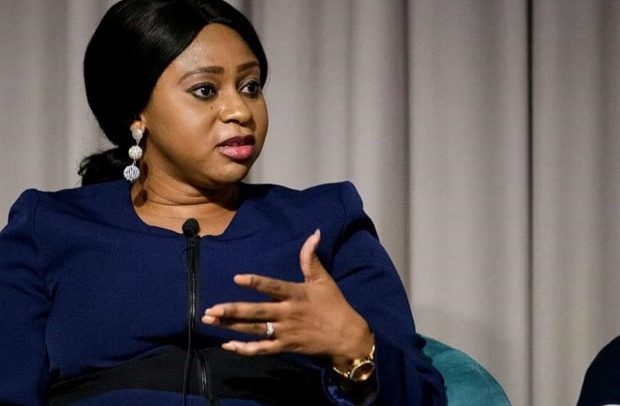
Former Dome Kwabenya Member of Parliament, Sarah Adwoa Safo, has publicly thrown her support behind Vice-President Dr Alhaji Mahamudu Bawumia, describing him as the leader best positioned to shape her political future as the New Patriotic Party (NPP) approaches a decisive phase in its leadership reorganisation.

Speaking to party delegates and supporters, Ms Adwoa Safo called on members of the party to embrace unity, deep reflection, and strategic decision-making as they prepare for the transition ahead. In a firm declaration, she stated that the time had come for Dr Bawumia to lead the party forward.

She acknowledged that political ambition is both legitimate and unavoidable within a democratic party, noting that differing views among party members should not be misconstrued as personal conflict.

“I am a politician, just as Honourable Kennedy Agyapong is,” she explained. “He has his own convictions and aspirations, and I equally have mine as I continue to pursue my political journey.”

Ms Adwoa Safo emphasised that the NPP’s strength lies in its diversity, pointing out that many delegates are deeply rooted in the party’s grassroots through family and community ties. While affirming the right of every member to hold an opinion, she cautioned that leadership choices must prioritise the party’s long-term stability and electoral viability rather than emotional or personal considerations.

Addressing speculation surrounding her stance, she was quick to reject claims that her endorsement of Dr Bawumia stems from any personal animosity towards the Assin Central MP, Kennedy Agyapong.

“I do not harbour any hatred towards Honourable Kennedy Agyapong,” she stated. “We share two wonderful children, a son and a daughter, and that alone makes such claims unfounded.” She stressed, however, that internal party leadership decisions should not be influenced by personal relationships.

Reflecting on the NPP’s recent electoral setback, the former legislator urged party members to draw critical lessons from the defeat that relegated the party to opposition. She argued that one of the key issues that undermined public confidence was the perception that personal relationships were given undue priority while the party was in government.

“That mistake has cost us dearly,” she admitted, urging the party to avoid repeating it.

Ms Adwoa Safo also highlighted her years of service to both the party and the country, questioning whether her experience and contributions should be overlooked in future leadership considerations.

She recalled beginning her parliamentary journey in 2007 and serving continuously within the party over the years. During her twelve-year tenure in Parliament, she held several key positions, including Deputy Majority Leader, Minister for Public Procurement, and Minister for Gender, Children and Social Protection.

“After all these years of service, the question remains whether my contribution counts,” she said.

While acknowledging that Mr Agyapong has played a notable role in the growth of the NPP, Ms Adwoa Safo expressed concern about her own political future should he eventually assume the party’s leadership and the presidency.

“I have never suggested that he will win this contest,” she clarified. “However, if he were to become President and review my record of service, the reality is that my experience would likely go unrecognised.”

She argued that appointing her to a ministerial position under such circumstances would generate intense public backlash, making it practically impossible.

“For someone with whom I share two children to appoint me as a minister would provoke widespread controversy,” she said. “And based on my knowledge of him, that decision would never be taken.”

Concluding her remarks, Ms Adwoa Safo maintained that her political future within the NPP is firmly aligned with Dr Mahamudu Bawumia, whom she believes offers the most viable path forward for both her career and the party’s renewal.

TUCEE Hosts National Counsellors’ Networking Summit; Declares First Friday of December as National Counsellors’ Summit Day

0

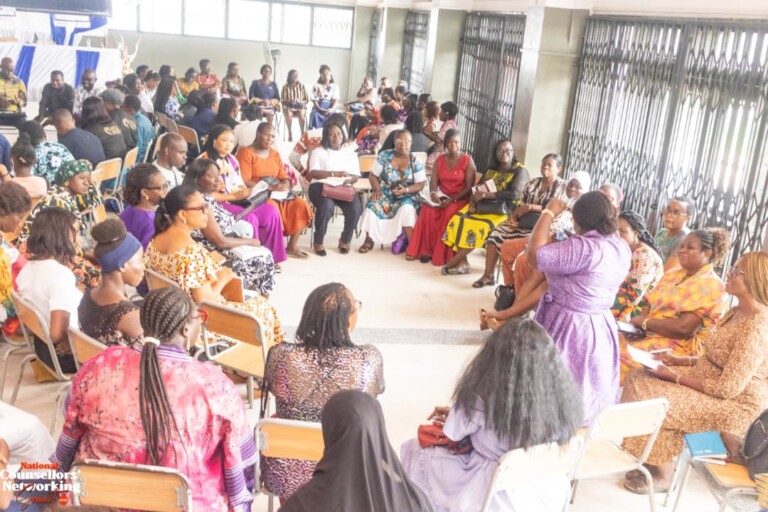
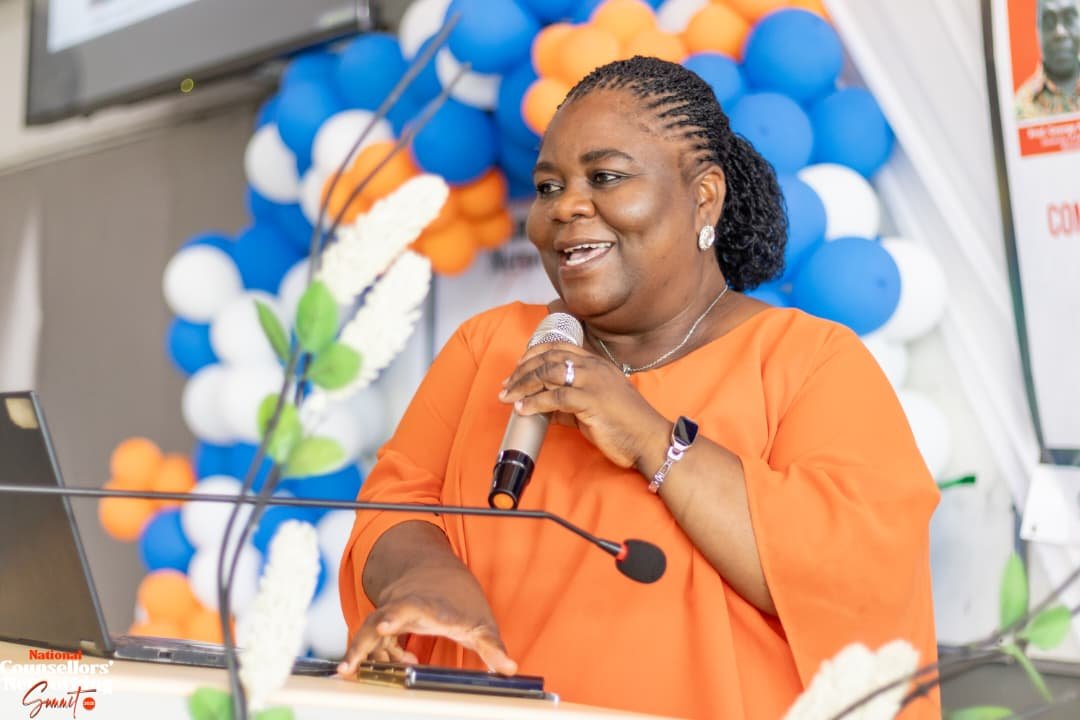
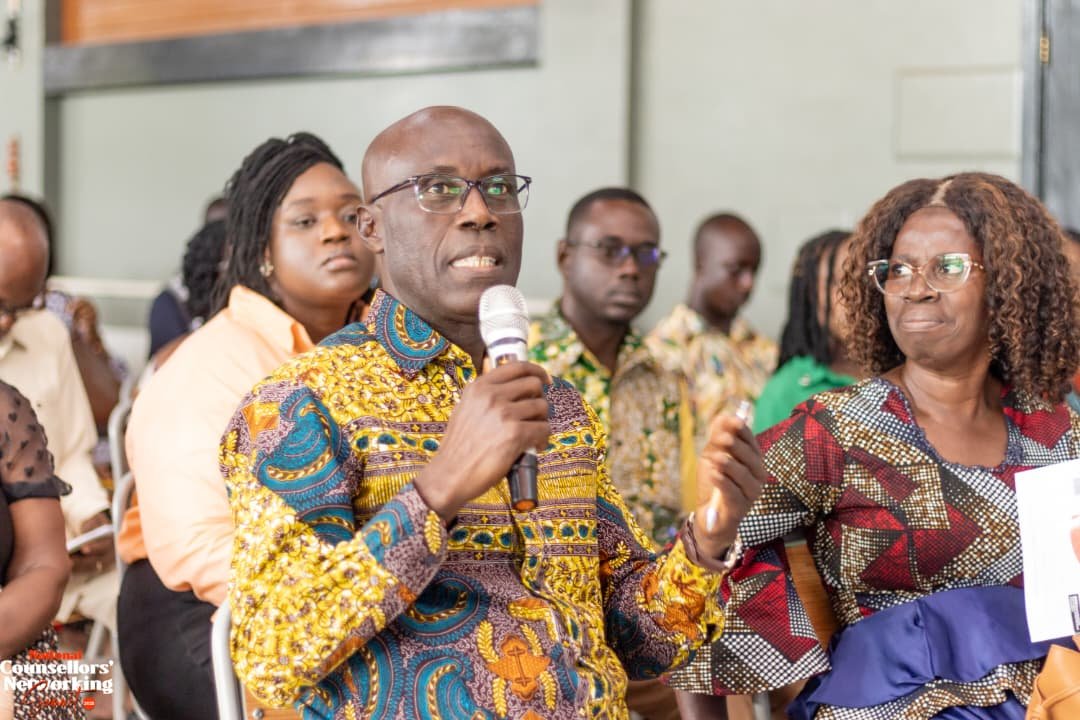
More than 200 counsellors, educators, pastors, social workers, and mental health practitioners convened at the University of Ghana on Friday, December 5, 2025, for the National Counsellors’ Networking Summit, a flagship event organized by the TUCEE Institute of Counselling and Technology to enhance professional counselling practice across the country.

Held at the university’s Central Cafeteria, the summit was guided by the theme Advancing Global Innovations and Breakthroughs in Counselling Practice. The event featured expert-led presentations on digital innovation, mental health screening, emerging counselling models, and modern approaches to career development within Ghana’s counselling ecosystem.

The Principal of the TUCEE Institute, Dr. C. Y. O. Tutu-Danquah, delivered two keynote presentations that underscored the urgency for counsellors to adopt technology-driven tools and evidence-based methods in their work.

She outlined the stages of technological integration—digitization, digitalization, and digital transformation—and provided a framework to help practitioners evaluate their current operational levels.

In her second presentation, Dr. Tutu-Danquah emphasised the critical responsibility of counsellors in supporting clients through mental health screening, mindful employability, and structured career guidance.

She stressed the need for practitioners to help young people identify their strengths, understand workplace expectations, and make informed career choices in a rapidly evolving labour market.

A historic highlight of the event was Dr. Tutu-Danquah’s announcement of the First Friday of December as National Counsellors’ Summit Day in Ghana. She explained that the annual observance will serve as a national platform to promote innovation, professional excellence, and collaboration within the counselling profession.

Distinguished speakers at the summit included Prof. Elder Stephen Lomotey, National Committee Member of the Counselling Ministry of The Church of Pentecost, and Apostle Dr. Paul Danso, the newly appointed Director of the Counselling Ministry of the Church.

Both speakers underscored the increasing demand for counselling services across churches, schools, and communities, particularly in response to the rising mental health challenges confronting young people.

The summit also featured a health screening exercise, offering participants blood pressure checks, BMI assessments, and basic wellness counselling—demonstrating the critical linkage between physical and emotional well-being.

Participants widely described the summit as timely, enriching, and impactful. Many praised TUCEE for establishing a national platform that strengthens professional networks, enhances capacity-building, and promotes mental health advocacy at a time when the country urgently needs well-trained counsellors.

The TUCEE Institute of Counselling and Technology reaffirmed its commitment to advancing counselling excellence nationwide through accredited training, robust professional networks, and sustained mental health education.

Rev. John Ntim Fordjour Slams Government Over Wasteful Electoral Spending

0

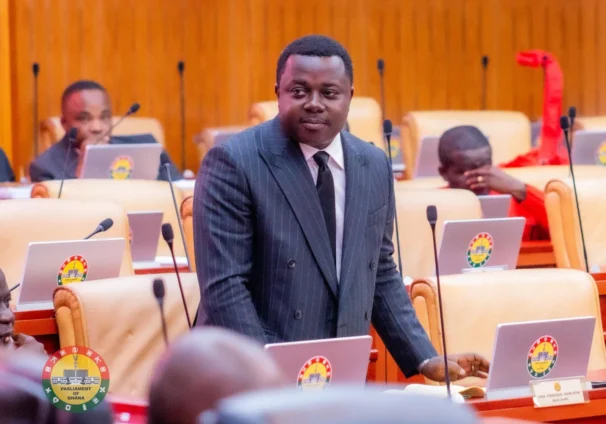
The Ranking Member of Parliament on the Defence and Interior Committee, Rev. John Ntim Fordjour, has criticized the government over what he describes as contradictory and wasteful spending priorities, particularly regarding election reruns and funding for national security agencies.

In a post on Friday, December 12, Rev. Ntim Fordjour questioned why the government failed to allocate capital expenditure to the Ghana Immigration Service in the 2026 budget, while simultaneously committing substantial funds to by-elections.

He highlighted that the state spent GH¢38.6 million in a single day on the Akwatia by-election and GH¢1 million on a rerun of a few polling stations in Ablekuma, describing these expenditures as unjustifiable.

Rev. Ntim Fordjour further criticised plans for additional reruns, including the Kpandai constituency, where he argued the situation does not warrant further spending, calling the decisions “avoidable and needless”.

The MP also took issue with the government seeking international logistical assistance, pointing out that while requesting GH¢1.77 million worth of equipment from Germany, millions are simultaneously spent on electoral activities.

“It is shameful this same government goes begging for GH¢1.77 million worth of equipment from Germany while wasting millions on by-elections and reruns,” he wrote, questioning the prudence of such fiscal decisions.

Rev. Ntim Fordjour concluded by urging the administration to rethink its spending priorities, insisting that investment in national security institutions such as the Ghana Immigration Service must take precedence over electoral expenditures.