


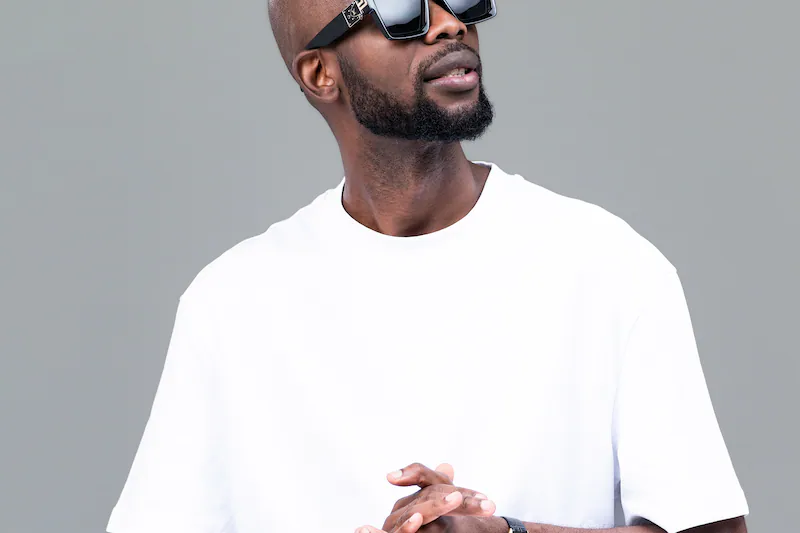
House music DJ Dark Horse says the sound that once defined South African nightlife is back — but it’s not the same deep house people remember.
Speaking on the genre’s evolution, the DJ and producer noted how deep house has cycled through underground clubs, mainstream radio, and now a new wave of global attention, with SA artists leading the conversation again.
“Deep house never really died,” Dark Horse said. “It just went back to the basements, to the smaller rooms where people actually listen. Now it’s resurfacing, but with new textures, new influences.”
That resurgence is visible in lineups across Johannesburg, Cape Town and Durban, where younger DJs are blending the soulful, slower tempos of classic deep house with amapiano log drums, afro-tech percussion, and international house influences. The result, according to Dark Horse, is a sound that feels both nostalgic and forward-looking.
The genre first broke big in South Africa in the early 2010s. Tracks built around warm basslines, jazzy chords and emotive vocals dominated radio and festivals. Over time, the spotlight shifted to gqom and then amapiano, which took over clubs with faster, percussive beats
“When amapiano exploded, a lot of deep house producers had to ask themselves: do we chase that, or do we refine what we do? A lot of us chose to refine,” he said. “We started experimenting more. Adding live instrumentation, more storytelling in the vocals, more space in the mix.”
That experimentation is part of why international audiences are paying attention again. SA deep house sets are popping up on global streaming playlists and in European club circuits. DJs who stayed loyal to the sound are now being booked alongside afro-house and melodic techno acts
“People can tell when you’re making music just to trend,” he said. “Deep house works when it’s honest. When it’s about a feeling, a late-night drive, a conversation you had at 3am. That’s what people connect to.”
He also credits the community around the genre — collectives, small venues, and independent labels — for keeping it alive during the years it wasn’t on big stages.
“We didn’t have big budgets. We had each other. House parties, rooftop sessions, streams during lockdown. That’s where the new sound was born.”
Looking ahead, Dark Horse believes deep house in South Africa will continue to evolve by pulling from other local sounds without losing its core.
“It’s not about going back to 2014,” he said. “It’s about taking what made that era special — the soul, the groove — and building on it. That’s how you keep a genre alive.”
As he prepares new releases for the rest of 2026, Dark Horse says his focus is on music that works both in clubs and on headphones.
“If you can play it at 2am in a packed room and also on a Sunday morning while you’re making coffee, then you’ve done something right.


