

Home Blog Page 50

Afua Asantewaa breaks the silence: โ€œWe Are Not Divorced โ€” Weโ€™re Separated for a Good Cause.โ€

Ghanaian media personality and global sensation Afua Asantewaa Aduonum has finally addressed swirling rumors about her marriage, offering clarity, reassurance, and a message of personal growth. In a heartfelt revelation, she emphasized that contrary to speculation, her relationship has not ended in divorce but is currently in a period of separation for what she describes as โ€œa good cause.โ€

The celebrated figure, who captured global attention during her Guinness World Record sing-a-thon attempt, has remained a symbol of resilience and determination. However, recent public curiosity about her personal life prompted her to speak openly, setting the record straight while maintaining her trademark composure and grace.

โ€œWe are not divorced,โ€ Afua firmly stated, putting to rest widespread assumptions. According to her, the decision to separate was mutual and grounded in thoughtful consideration rather than conflict or irreparable differences. Her words reflected a mature approach to relationshipsโ€”one that acknowledges challenges while prioritizing healing and purpose.

Afua further explained that the separation is part of a broader journey of self-reflection and growth. โ€œWeโ€™re separated for a good cause,โ€ she said, hinting that both partners are focused on personal development and clarity. Though she did not go into extensive detail, her tone suggested peace rather than turmoil.

Addressing concerns from fans and the public, Afua reassured everyone about her well-being. โ€œIโ€™m healing, Iโ€™m healingโ€ฆ itโ€™s not any big deal. Donโ€™t worry, Iโ€™m fine,โ€ she shared. The repetition of โ€œIโ€™m healingโ€ underscored her commitment to emotional recovery and self-care, while also encouraging others to embrace similar journeys without fear or stigma.

Her candid remarks have sparked conversations across social media, where supporters have praised her honesty and strength. Many see her statement as a refreshing departure from the often dramatic narratives surrounding celebrity relationships, instead highlighting calmness, dignity, and intentional healing.

Afuaโ€™s message also touches on a broader cultural shift in how relationships are perceived. Increasingly, individuals are recognizing that separation does not always signify failure but can instead be a necessary step toward clarity and well-being. Her openness contributes to normalizing such perspectives, particularly within African societies where marital challenges are often kept private.

As a public figure, Afua continues to balance her personal experiences with her professional responsibilities. Despite the emotional weight of her current situation, she remains active and focused, embodying the resilience that first endeared her to audiences across Ghana and beyond.

Her journey serves as a reminder that even those in the spotlight face deeply personal challenges. What sets Afua apart, however, is her willingness to address them with honesty while maintaining control over her narrative. Rather than allowing rumors to define her story, she has chosen to speak with clarity and purpose.

The phrase โ€œfor a good causeโ€ has particularly intrigued fans, sparking speculation about what it truly means. Whether it relates to personal healing, family priorities, or future plans, Afua has left room for interpretation while firmly establishing that the decision was not rooted in negativity.

In a world where public figures are often pressured to present perfection, Afua Asantewaaโ€™s transparency stands out. By admitting that she is โ€œhealing,โ€ she humanizes her experience and offers encouragement to others navigating similar situations.

Ultimately, her statement is not just about relationship statusโ€”it is about growth, resilience, and emotional well-being. It sends a powerful message that healing is a process, and taking time to focus on oneself should never be seen as weakness.

As conversations continue, one thing remains clear: Afua Asantewaa is not defined by rumors or speculation. Instead, she is writing her own storyโ€”one rooted in strength, self-awareness, and the courage to prioritize healing above all else.

PAGMACA sets a new Benchmark as Africaโ€™s Elite gathering for influence, prestige, and purpose in Abuja, Nigeria.

The Papyrus Global Mayors Conference and Awards (PAGMACA) 2026 is steadily redefining the landscape of leadership engagement across Africa, positioning itself far beyond the boundaries of a conventional conference. Rather than focusing on mass participation, the platform has evolved into an elite, invitation-only gathering crafted specifically for the continentโ€™s most influential and accomplished city leaders, policymakers, and global partners.

At a time when many high-profile events compete for attention through size and visibility, PAGMACA is charting a distinctly different courseโ€”one rooted in exclusivity, prestige, and intentional access. The organizers have embraced a philosophy that prioritizes quality over quantity, carefully curating a guest list that reflects the highest standards of leadership, innovation, and governance excellence across Africa and beyond.

This deliberate selection process ensures that every attendee brings value to the table. Participants are not merely present to observe proceedings but are recognized as key contributors to shaping Africaโ€™s urban transformation. The conference gathers mayors, senior government officials, development experts, and private sector leaders who are actively driving change within their respective cities and institutions.

As a result, PAGMACA has cultivated a unique environment where presence carries significant meaning. Attendance is no longer just about participationโ€”it is about belonging to a refined network of individuals defined by influence, credibility, and forward-thinking ambition. Being in the room signifies a level of achievement and alignment with the continentโ€™s evolving leadership narrative.

According to the organizers, the guiding philosophy behind PAGMACA is clear: the true value of any gathering lies not in how many people attend, but in who is present. This principle informs every aspect of the conferenceโ€™s structure, from its highly selective invitation process to the design of its engagements and networking opportunities.

Within this carefully curated setting, discussions are elevated far beyond routine exchanges. The conference fosters strategic dialogue that addresses pressing urban challenges, policy innovation, and sustainable development. Leaders engage in meaningful conversations that are designed to produce actionable insights rather than superficial talking points.

Closed-door sessions and targeted roundtables form a core part of the PAGMACA experience. These intimate forums encourage candid discussions, allowing participants to share experiences, explore collaborative solutions, and forge high-value partnerships in a setting built on trust and mutual respect.

The emphasis on substance over spectacle distinguishes PAGMACA from many other gatherings on the continent. Instead of grand displays or ceremonial excess, the platform focuses on outcomesโ€”ensuring that every interaction contributes to long-term impact in governance and urban development.

Beyond established leaders, PAGMACA is also attracting a growing class of emerging voices within Africaโ€™s leadership ecosystem. These individuals view the platform as a space of aspiration and alignmentโ€”a place where association not only reflects past achievements but also signals future positioning within the continentโ€™s evolving power structure.

For many of these rising stakeholders, participation in PAGMACA represents more than an opportunityโ€”it is a milestone. It offers access to influential networks, exposure to high-level discourse, and the chance to engage directly with decision-makers shaping Africaโ€™s urban future.

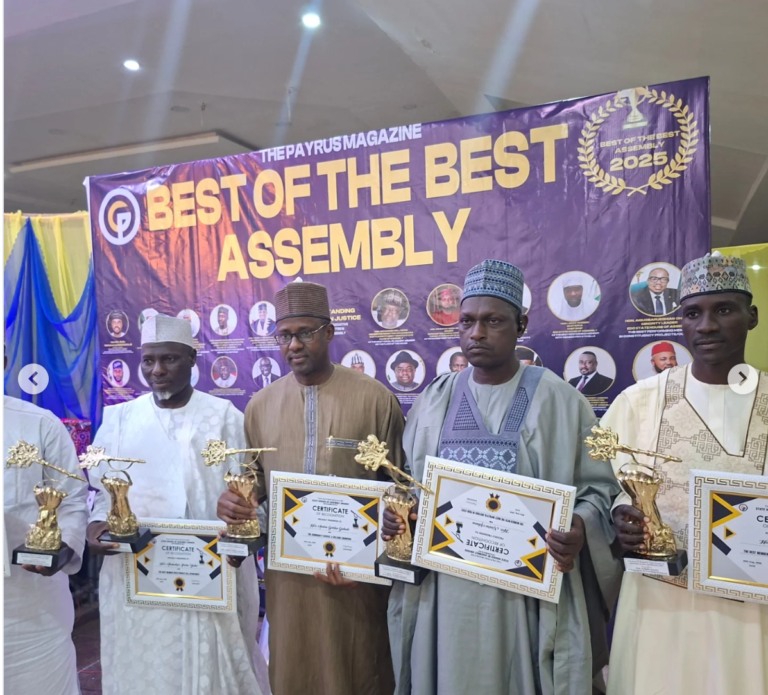
A major highlight of the gathering is the PAGMACA Awards, widely regarded as one of the continentโ€™s most distinguished recognitions in local governance. Reserved for a select group of outstanding leaders, the awards celebrate excellence, innovation, and transformative impact across cities and communities.

These awards not only honor achievement but also reinforce PAGMACAโ€™s identity as a symbol of prestige and distinction. Recipients are recognized as benchmarks of leadership, setting standards that inspire others across the continent to pursue excellence in governance and public service.

As Africa continues to experience rapid urbanization and increasingly complex governance challenges, PAGMACA is carving out a unique and necessary space. It bridges leadership with prestige, influence with access, and governance with global relevanceโ€”creating a platform that reflects the realities of a rapidly evolving continent.

By prioritizing meaningful engagement over large-scale attendance, PAGMACA is raising the bar for conferences in Africa. It is shaping a new model for how leaders connect, collaborate, and position themselves within an increasingly competitive global landscape.

With its strong emphasis on exclusivity, impact, and identity, the Papyrus Global Mayors Conference and Awards (PAGMACA) 2026 is fast emerging as Africaโ€™s premier gathering for those who leadโ€”and those who aspire to operate at the highest level of influence and decision-making.

Set to take place in Abuja from April 29 to May 1, 2026, the event promises an unforgettable premium experience. It will bring together the best of the best mayors and city leaders from across the continent in a powerful convergence of vision, leadership, and purpose.

PAGMACA 2026 elevates governance discourse with Rt. Hon. Prof. Mojeed Alabi as the keynote voice on reform.

0

Abuja, Nigeria โ€” Anticipation continues to surge ahead of the highly anticipated Papyrus Global Mayors Conference and Awards (PAGMACA) 2026, as organizers unveil another influential figure set to shape the eventโ€™s intellectual and policy direction. The inclusion of Mojeed Olujinmi Alabi as a keynote speaker signals a deliberate effort to deepen conversations around governance reform across Africa.

As momentum builds toward the three-day gathering scheduled for April 29 to May 1, 2026, in Abuja, PAGMACA is positioning itself as more than just a conferenceโ€”it is evolving into a critical platform for redefining leadership and accountability structures across the continent. This yearโ€™s theme, โ€œStrengthening Local Governance for Resilient, Inclusive, and Sustainable African Communities,โ€ underscores the urgency of building systems that are both people-centered and future-ready.

The announcement of Prof. Alabiโ€™s participation comes at a pivotal moment in Africaโ€™s governance journey. Across many nations, citizens are increasingly demanding transparency, responsiveness, and tangible development outcomes from their leaders. Against this backdrop, his voice is expected to bring both clarity and depth to discussions around institutional reform.

Renowned for his dual expertise in academia and politics, Prof. Alabi embodies a rare blend of intellectual rigor and practical governance experience. His career trajectory reflects a deep commitment to strengthening democratic institutions while ensuring that governance systems remain accessible and effective at the grassroots level.

Currently serving as Provost of the College of Law at Osun State University, he has built a reputation as a thought leader in constitutional law, legislative studies, and public policy. His academic contributions have influenced both students and policymakers, making him a respected authority in governance discourse.

However, his impact extends far beyond the lecture halls. Prof. Alabiโ€™s tenure as Speaker of the Osun State House of Assembly demonstrated his ability to translate theory into action. During this period, he played a pivotal role in shaping legislative frameworks and promoting governance practices that emphasized accountability and public engagement.

His experience at the national level further strengthens his profile. As a member of Nigeriaโ€™s House of Representatives during the 8th National Assembly, he contributed to legislative processes that aimed to enhance governance standards and institutional efficiency. This hands-on involvement in policymaking gives him a grounded perspective on the realities of governance in complex political environments.

At PAGMACA 2026, Prof. Alabi is expected to deliver a keynote session that delves into the critical intersection between legislative oversight and grassroots governance. His address will likely explore how democratic systems can be restructured to better serve local communities, ensuring that governance is not only effective but also inclusive.

One of the central themes anticipated in his session is the role of accountability systems in restoring public trust. Across Africa, trust in public institutions has faced significant challenges, often due to perceived gaps in transparency and service delivery. Prof. Alabiโ€™s insights are expected to provide actionable pathways for rebuilding this trust through stronger oversight mechanisms.

In addition, his presentation is likely to examine the importance of decentralization in governance. By empowering local governments and enhancing their capacity, African nations can create more responsive systems that address community-specific needs while fostering sustainable development.

Organizers of PAGMACA have emphasized that Prof. Alabiโ€™s selection aligns with their broader vision of bringing together leaders who bridge the gap between theory and practice. His ability to connect academic frameworks with real-world governance challenges makes him an ideal voice for the conference.

According to Doofan Damsa-Justin, Managing Director of The Papyrus Global and Project Initiator, the inclusion of experienced leaders like Prof. Alabi is essential for driving meaningful dialogue. He highlighted that governance reform requires not only ideas but also practical insights that can be implemented across diverse contexts.

He further stressed that as governance expectations continue to evolve across African societies, the need for credible and experienced voices becomes even more critical. Leaders who have navigated both academic and political landscapes are uniquely positioned to offer solutions that are both innovative and realistic.

PAGMACA 2026 is expected to attract a diverse audience, including over 60 mayors of African descent from across Africa, the United States, Asia, and Europe. This global representation reflects the conferenceโ€™s ambition to foster cross-continental collaboration and knowledge exchange.

Beyond keynote sessions, the event will feature panel discussions, workshops, and networking opportunities designed to encourage dialogue among policymakers, development experts, and private sector stakeholders. These interactions are expected to generate fresh ideas and partnerships that can drive governance reform across the continent.

The conference also aims to highlight success stories and best practices from different regions, providing participants with practical examples of what works in governance. By showcasing these models, PAGMACA hopes to inspire replication and adaptation in various local contexts.

Another key focus of the event will be youth engagement. Recognizing that the future of governance lies in the hands of younger generations, organizers are committed to creating spaces where young leaders can contribute to policy discussions and innovation.

As preparations intensify, the confirmation of Prof. Alabi adds significant intellectual weight to the conference lineup. His presence is expected to elevate the quality of discourse and inspire participants to think critically about the future of governance in Africa.

Moreover, his contributions are likely to resonate beyond the conference itself. The ideas and recommendations emerging from his session could influence policy directions and governance reforms in multiple countries.

PAGMACA 2026 is not just an eventโ€”it is a movement aimed at transforming how governance is understood and practiced across Africa. By convening leaders, thinkers, and practitioners, it seeks to create a unified vision for sustainable and inclusive development.

With each new announcement, the conference continues to reinforce its status as a premier platform for forward-thinking leadership. The inclusion of Prof. Alabi is a testament to its commitment to excellence and impactful engagement.

As the countdown to April 2026 continues, all eyes will be on Abuja, where some of the continentโ€™s most influential voices will gather to shape the future of governance. For many, PAGMACA 2026 represents a unique opportunity to be part of a transformative dialogue that could redefine leadership across Africa for years to come.

Dr.Cryme opens up on private life, phone number change, and addresses โ€œentitlementโ€ claims around Sarkodie.

Ghanaian music star Dr Cryme has offered fans a rare and candid glimpse into both his personal life and his perspective on industry dynamics, touching on everything from privacy to the growing culture of entitlement within the music space.

In a revealing conversation, the โ€œKill Me Shyโ€ hitmaker shared an interesting detail about his personal boundariesโ€”his decision to change his phone number early in his career and maintain strict control over his accessibility ever since.

โ€œMy telephone number, I have changed since I started using a phone. The current number Iโ€™m using, I have had it since 2009,โ€ he disclosed.

According to Dr. Cryme, this decision was not ัะปัƒั‡ะฐะน but a deliberate move to protect his peace of mind as his career began to take off. At the time, the increasing demands of fame made it difficult to manage constant communication from fans, industry players, and acquaintances.

He explained that setting such boundaries helped him regain control over his time, creativity, and personal lifeโ€”something many artists struggle with once they step into the spotlight.

For him, privacy is not a luxury but a necessity. In an industry where public access is often expected, he believes maintaining a level of distance is crucial for long-term sustainability.

Interestingly, the decision to keep the same number since 2009 has also helped him maintain a tight-knit circle. Only trusted individualsโ€”family, close friends, and key collaboratorsโ€”have direct access to him.

Beyond his personal life, Dr. Cryme also addressed a trending issue within Ghanaโ€™s entertainment industry: the criticism often directed at award-winning rapper Sarkodie over claims that he does not pick calls or is difficult to reach.

Reacting to the ongoing conversations, Dr. Cryme was clear and direct in his stance, distancing himself from speaking on Sarkodieโ€™s behalf.

โ€œWhat I always say whenever I meet people talking about itโ€”about him not picking other peopleโ€™s callsโ€”is that Iโ€™m not his public relations officer,โ€ he stated.

He emphasized that it is not his responsibilityโ€”or anyone elseโ€™sโ€”to explain another artistโ€™s personal choices, especially when it comes to communication.

โ€œItโ€™s either you have a conversation with him or pass on to the next one,โ€ he added, urging people to move forward rather than dwell on unanswered calls.

Dr. Cryme further pointed out that decisions about accessibility are personal and often influenced by factors outsiders may not understand.

โ€œFor him not picking the calls and all that, that will be best known to him,โ€ he explained, reinforcing the idea that only Sarkodie can truly speak for his actions.

Taking a reflective turn, the rapper challenged critics to examine their own behavior, noting that ignoring calls is something many people do at some point.

โ€œLetโ€™s ask ourselvesโ€”havenโ€™t we done that before, one way or the other?โ€ he questioned, bringing a relatable perspective to the debate.

According to him, the issue highlights a broader culture of entitlement that is gradually becoming common within the industry, where some individuals expect immediate access to top artists.

He argued that such expectations are unrealistic, especially for someone like Sarkodie, whose schedule and responsibilities can be overwhelming.

However, when it comes to professional collaborations, Dr. Cryme acknowledged that the conversation becomes more complex and requires honesty from all parties involved.

โ€œBut personally, when it comes to features and all that, letโ€™s be sincereโ€ฆโ€ he hinted, suggesting that there are deeper realities about how collaborations are negotiated behind the scenes.

His comments have sparked widespread reactions, with some supporting his call for respecting boundaries, while others believe established artists should be more accessible to upcoming talents.

Still, Dr. Crymeโ€™s perspective adds an important layer to the discussionโ€”one that emphasizes balance, understanding, and professionalism.

By sharing both his personal experiences and industry insights, he offers a more holistic view of what it means to navigate fame in todayโ€™s entertainment landscape.

Ultimately, his message is clear: success is not just about visibility and accessibility, but also about maintaining boundaries, respecting individuality, and fostering genuine connections.

As Ghanaโ€™s music industry continues to evolve, voices like Dr. Crymeโ€™s are helping to shape a more realistic and respectful narrativeโ€”one that benefits both established stars and emerging talents alike.

Anginayo Imali ft Ceekay Musiq: The amapiano anthem taking over the World.

The global rise of Amapiano continues to gather momentum, and one track currently making waves across continents is โ€œAnginayo Imaliโ€ by Ceekay Musiq. The song has quickly become a fan favorite, dominating playlists, dance floors, and social media platforms with its infectious rhythm and relatable message. As African music continues to break boundaries, this track stands tall as a symbol of the genreโ€™s ever-expanding global influence.

โ€œAnginayo Imali,โ€ which translates to โ€œI donโ€™t have moneyโ€ in isiZulu, captures the everyday struggles of young people trying to navigate life despite financial challenges. The songโ€™s message resonates deeply with listeners across Africa and beyond, making it more than just a club bangerโ€”itโ€™s a reflection of real-life experiences. This emotional connection is a key reason why the track has gained such widespread popularity.

From a production standpoint, the song showcases the signature elements of Amapianoโ€”smooth piano chords, deep basslines, and the unmistakable log drum. Ceekay Musiq delivers a refined sound that balances groove and melody, making the track both relaxing and highly danceable. The beat progression keeps listeners engaged from start to finish, ensuring its place in DJ rotations globally.

The songโ€™s viral success can also be attributed to social media platforms, especially TikTok and Instagram, where dance challenges and short-form videos have amplified its reach. Influencers and dancers have embraced the track, creating routines that fans across different countries eagerly replicate. This organic promotion has helped โ€œAnginayo Imaliโ€ transcend borders effortlessly.

In Ghana, Nigeria, South Africa, and even parts of Europe, the song is gaining heavy airplay. DJs have incorporated it into their mixes, and partygoers instantly recognize the tune once it drops. This cross-border appeal highlights the unifying power of music and the growing dominance of African sounds on the global stage.

The success of โ€œAnginayo Imaliโ€ is also a testament to the broader Amapiano movement, which has seen artists collaborate across countries and cultures. The genreโ€™s ability to evolve while maintaining its core identity has been crucial in attracting international audiences. Tracks like this continue to push Amapiano into mainstream global music conversations.

Another factor contributing to the songโ€™s impact is its simplicity. The hook is easy to remember, the beat is addictive, and the message is clear. This combination makes it accessible to both casual listeners and hardcore music fans. Itโ€™s the kind of song that sticks in your head long after it ends.

As streaming numbers continue to grow, โ€œAnginayo Imaliโ€ is positioning itself as one of the standout Amapiano releases of the year. Its consistent performance on digital platforms shows that the demand for African music is stronger than ever. Artists like Ceekay Musiq are leading the charge in taking the sound global.

Beyond entertainment, the song also sparks conversations about youth culture, lifestyle, and economic realities. It reflects a generation that chooses joy and expression despite hardships, making it both culturally and socially significant.

In conclusion, โ€œAnginayo Imaliโ€ is not just a hit songโ€”itโ€™s a movement. It represents the heartbeat of Amapiano and the unstoppable rise of African music worldwide. As more listeners discover the track, its influence is set to grow even further, cementing its place as a global anthem.

For entertainment news, visit talentzmedia.com


Ghana and Africa entertainment update โ€“ March 31, 2026: music, film, and culture take center stage.

The entertainment industry in Ghana and across Africa is witnessing a dynamic surge as musicians, filmmakers, and cultural influencers make bold moves on both local and international stages. As of March 31, 2026, several trending stories highlight the evolving nature of African entertainment, driven by creativity, collaboration, and global recognition.

One of the biggest conversations in Ghana right now revolves around dancehall superstar Shatta Wale. The award-winning musician is once again in the spotlight following reports of a potential collaboration with gospel singer Florence Obinim. The unexpected pairing has sparked debate among fans, with many eager to see how the two distinct musical stylesโ€”dancehall and gospelโ€”could merge into a unique sound.

This potential collaboration signals a broader trend within the Ghanaian music industry, where artists are increasingly experimenting with cross-genre partnerships. Industry observers believe such collaborations not only expand audience reach but also redefine the boundaries of African music on the global stage.

Meanwhile, Ghanaian Afropop sensation Moliy is making significant strides internationally. Her recent feature on Billboard Africa (March/April 2026 edition) marks a major milestone in her career, positioning her as one of the leading young voices representing Ghana on the world stage. Her success reflects the growing global appetite for African music, especially among younger audiences.

Moliyโ€™s rise is part of a larger movement where African artists are leveraging digital streaming platforms and social media to break into international markets. With increased visibility, Ghanaian musicians are gaining recognition far beyond the continent, contributing to the global Afrobeats and Afropop wave.

In Northern Ghana, popular artist Fancy Gadam has released a new track titled โ€œNburi Diba (WYFL Riddim)โ€. The song is quickly gaining popularity among fans, particularly for its energetic rhythm and relatable street message. Fancy Gadam continues to solidify his position as one of the most influential artists in the northern music scene.

Beyond Ghana, the African film industry is also making headlines. In Nigeria, Nollywood continues to demonstrate its growing commercial strength with the success of Onobiren: A Womanโ€™s Story. The film has achieved impressive box office numbers and is attracting audiences across West Africa, including Ghana, further strengthening cross-border cinema distribution.

The success of Nollywood productions like โ€œOnobirenโ€ highlights the increasing investment in African storytelling and film production. With improved production quality and compelling narratives, African films are gaining recognition not only locally but also on international platforms and film festivals.

In addition to music and film, the rise of reality television and influencer culture across Africa continues to reshape the entertainment landscape. Celebrities and social media personalities are securing lucrative endorsement deals and expanding their influence beyond traditional media. This shift underscores the growing importance of digital platforms in shaping modern African entertainment.

Cultural promotion is also playing a key role in Ghanaโ€™s entertainment and lifestyle space. Initiatives like Fugu Day, which encourage the wearing of traditional attire, are gaining momentum. The movement is influencing fashion trends and reinforcing cultural identity, particularly among celebrities and young people.

As Africaโ€™s entertainment industry continues to evolve, one thing remains clear: the continent is no longer just a participant in global entertainmentโ€”it is becoming a powerful force shaping trends worldwide. From music collaborations to cinematic achievements and cultural movements, African creatives are redefining the narrative and showcasing the richness of their talent.

With more artists breaking international barriers and industries expanding rapidly, the future of entertainment in Ghana and Africa looks brighter than ever. Stakeholders, fans, and global audiences alike are paying closer attention, as Africa continues to rise as a hub of innovation and creativity.

Click here to read more-talentzmedia.com


Dr. Rommy Mom confirmed as panelist at Papyrus Global Mayors conference & Awards 2026.

Abuja, Nigeria โ€” Renowned human rights lawyer and development expert Rommy Mom has officially been confirmed as a panelist for the upcoming Papyrus Global Mayors Conference and Awards 2026, a premier Pan-African gathering dedicated to strengthening local governance and community development across the continent.

The highly anticipated conference, themed โ€œStrengthening Local Governance for Resilient, Inclusive, and Sustainable African Communities,โ€ is expected to convene distinguished speakers, policymakers, mayors, and business leaders from over twenty African countries. The event aims to foster dialogue and actionable solutions around governance, peacebuilding, and economic development.

Dr. Mom, who currently serves as President of Lawyers Alert, will deliver insights on the critical topic: โ€œCommunity Policing & Sustainable Partnerships.โ€ His participation has already generated strong interest among stakeholders, given his long-standing influence in human rights advocacy and legal reform.

Over the years, Dr. Mom has built a reputation as a leading voice in advancing community policing initiatives in Nigeria. His work has focused on building trust between citizens and law enforcement agencies, promoting structured engagement, and strengthening accountability within security systems.

Through strategic collaborations with local and state governments, as well as national institutions such as the Police Service Commission, Dr. Mom has contributed significantly to improving security frameworks, particularly in conflict-affected and vulnerable communities.

Organizers of the conference highlighted that his selection was not only based on his expertise but also his hands-on grassroots engagement. His ability to connect legal frameworks with real-world community challenges makes him uniquely positioned to contribute meaningful perspectives to discussions on sustainable security governance.

Speaking on the confirmation, Doofan Damsa-Justin, Managing Director of The Papyrus Global and Project Initiator of the conference, emphasized the importance of Dr. Momโ€™s role at the event.

โ€œDr. Rommy Mom represents the kind of leadership and expertise Africa needs at this critical time,โ€ he stated. โ€œHis work in community policing and human rights advocacy has demonstrated that sustainable security can only be achieved through trust, inclusion, and structured collaboration between citizens and institutions.โ€

The conference is also set to host over 30 mayors and local business executives from across Africa, alongside high-ranking government officials, including ministers responsible for foreign affairs, trade and investment, and intergovernmental relations. These participants will engage in high-level discussions aimed at strengthening governance systems and promoting peace and stability across the continent.

Dr. Momโ€™s confirmation further reinforces the conferenceโ€™s commitment to assembling thought leaders and practitioners who are actively shaping policies and innovative solutions for Africaโ€™s future. His insights are expected to contribute significantly to shaping outcomes that are both practical and impactful.

As Africa continues to navigate complex governance and security challenges, platforms like PAGMACA 2026 are becoming increasingly important. They serve as vital spaces for collaboration, knowledge exchange, and policy alignment among key stakeholders across different sectors.

Ultimately, the conference is expected to deliver actionable outcomes that will drive inclusive development, reinforce community resilience, and promote sustainable peace across African communitiesโ€”making it one of the most important governance gatherings on the continent in 2026.


Papyrus Global rebrands flagship conference to PAGMACA, expands global reach.

The global governance and events landscape is witnessing a significant transformation as Papyrus Global officially rebrands its flagship conference and awards initiative. The event, formerly known as The Papyrus Global Local Government Chairmen/Mayors Conference & Awards (PAGLOGMA), will now operate under a new identity: The Papyrus Global Mayors Conference & Awards (PAGMACA).

This rebranding marks a major strategic shift for the organization, reflecting its rapid expansion beyond Nigeria into a broader international platform. Over the years, the conference has grown from a local initiative into a recognized gathering for grassroots governance leaders.

According to the organizers, the transition to PAGMACA is designed to align the platform with global governance standards, where the title โ€œMayorโ€ is widely recognized as the official designation for city and local government leaders.

While the rebrand signals a global outlook, the organizers have emphasized that the platform will maintain its strong roots in Nigeria. Local Government Chairmen in Nigeria will continue to play a key role, functioning as mayoral equivalents within the new structure.

The move is also seen as a step toward enhancing international participation and collaboration. By adopting a globally recognized identity, the platform aims to attract leaders and stakeholders from across continents.

The 2026 edition of PAGMACA is expected to be its most ambitious yet, with participation from mayors and local government leaders across 27 African countries. This reflects the growing importance of local governance in shaping national and regional development.

In addition to African participation, the conference will also welcome delegates from Europe, the United States of America, Asia, and other regions. This diverse representation is expected to enrich discussions and promote cross-cultural exchange.

Speaking on the development, Doofan Damsa-Justin described the transition as a defining moment for the organization. He emphasized that the rebrand is more than just a name change, but a reflection of the platformโ€™s evolution.

According to him, PAGMACA aims to build bridges not only within Africa but across the world, using local governance as a foundation for collaboration and development. This vision aligns with the increasing global focus on decentralization and grassroots leadership.

The conference will continue to recognize outstanding performance among local government leaders. Awards will be given to individuals and institutions that demonstrate innovation, impact, and excellence in governance.

Beyond recognition, the platform is also expanding its scope to include discussions on global best practices in urban governance, economic development, and community transformation. This will provide valuable insights for participants.

Experts believe that platforms like PAGMACA are essential for driving progress at the grassroots level. By bringing together leaders from different regions, the initiative creates opportunities for knowledge sharing and strategic partnerships.

The rebranding also reflects a broader trend in Africa, where organizations are increasingly positioning themselves for global relevance. This shift is helping to elevate African initiatives onto the international stage.

As anticipation builds for the 2026 edition, stakeholders are optimistic that PAGMACA will set new standards for governance-focused conferences and awards. The event is expected to deliver both impact and visibility.

Ultimately, the launch of PAGMACA represents a bold step forward for Papyrus Global, reinforcing its commitment to excellence, collaboration, and innovation in local governance worldwide.

The global entertainment scene is dominated by major Awards and celebrity headlines.

The global entertainment industry is currently dominated by major award events and high-profile celebrity activities. Among the most talked-about events is the 2026 edition of the iHeartRadio Music Awards.

Leading the conversation is Taylor Swift, who has secured multiple nominations, reinforcing her status as one of the most influential artists in the world.

The awards event is expected to attract millions of viewers globally, highlighting the continued relevance of traditional award shows in the digital age.

Beyond awards, global celebrities such as Shawn Mendes and Zayn Malik are making headlines with appearances and new projects.

These developments underscore the interconnected nature of the global entertainment industry. Trends in one region often influence audiences worldwide.

Social media platforms have further amplified the reach of global entertainment news. Fans can now engage with their favorite celebrities in real time.

The influence of global stars extends beyond music and film. They play significant roles in fashion, lifestyle, and social issues.

International collaborations are also becoming more common, bridging cultural gaps and creating diverse content.

African audiences are increasingly consuming global content, while also promoting their own culture internationally.

This exchange of cultural content is contributing to a more diverse and inclusive global entertainment landscape.

Analysts believe that the future of entertainment lies in this interconnected ecosystem, where local and global trends coexist.

As the industry continues to evolve, global events and celebrity activities will remain key drivers of entertainment conversations.

Ultimately, the current wave of global entertainment highlights the power of creativity and innovation in bringing people together across borders.


Nollywoodโ€™s continued growth strengthens Africaโ€™s film industry.

The African film industry is experiencing a period of remarkable growth, with Nollywood leading the charge. Recent productions such as Onobiren: A Woman’s Story have demonstrated the increasing quality and global appeal of African cinema.

Nollywood has long been recognized as one of the largest film industries in the world, producing hundreds of movies annually. However, the focus is now shifting toward improving production standards and storytelling.

Films like Onobiren are setting new benchmarks by emphasizing strong narratives, character development, and high production values. This marks a significant departure from earlier trends that prioritized quantity over quality.

The success of such films has been evident in box office performance and audience reception. Cinemas across Africa, including those in Ghana, have reported increased attendance.

One of the key drivers of this growth is increased investment in the film industry. Both private and public sector stakeholders are recognizing the potential of cinema as a viable economic sector.

Streaming platforms have also played a crucial role in expanding the reach of African films. Services like Netflix and Amazon Prime have made it easier for global audiences to access African content.

The rise of female-led storytelling is another notable trend. Films are increasingly focusing on womenโ€™s experiences, bringing fresh perspectives to the screen.

Industry experts believe that collaboration between African countries will further strengthen the film industry. Co-productions can help pool resources and expertise.

In Ghana, filmmakers are closely observing Nollywoodโ€™s success and exploring ways to replicate it. There is growing interest in improving local production quality.

Training and capacity building are also becoming priorities, with initiatives aimed at developing the next generation of filmmakers.

Despite the progress, challenges such as funding, distribution, and infrastructure remain. Addressing these issues will be key to sustaining growth.

Overall, the trajectory of African cinema is promising. With continued investment and innovation, the industry is well positioned to compete on the global stage.