Home Blog Page 86

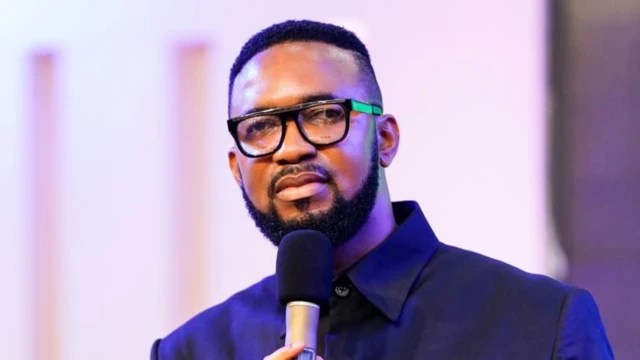
Pastor Chris Okafor reveals why he stayed unmarried for 13-years after divorce

0

[ad_1]

Senior Pastor of Grace Nation Church, Chris Okafor, has opened up about his divorce, revealing how the courts granted him custody of his two children when they were still toddlers.

According to the clergyman, the divorce occurred when his daughter Chidera was just two years old, while Bobo was four years and a few months. He said the situation was so severe that the court awarded him full custody, leaving his former wife with access rights only.

“The thing was that bad that the court granted me custody of those children at that tender age,” he stated.

Pastor Okafor disclosed that Bobo is currently 17 and will turn 18 in March, while Chidera is now 15. He explained that the responsibility of raising them alone deeply shaped his personal decisions, including his choice to remain unmarried for over a decade.

“I promised them that I was never going to marry until they are grown up,” he said. “For 13 years I kept that.”

He admitted that the journey was far from easy, describing the years as demanding and emotionally taxing, marked by mistakes and difficult lessons. However, he insisted that the commitment to his children remained firm throughout.

“Within that 13 years, it was not easy. We made a lot of mistakes,” he added.

The pastor emphasized that the divorce was legally concluded, noting that documentation exists to confirm it. He maintained that his focus during those years was stability, parenting, and honoring the promise he made to his children at a vulnerable stage in their lives.

[ad_2]

Democracy was becoming choiceless for them

0

[ad_1]

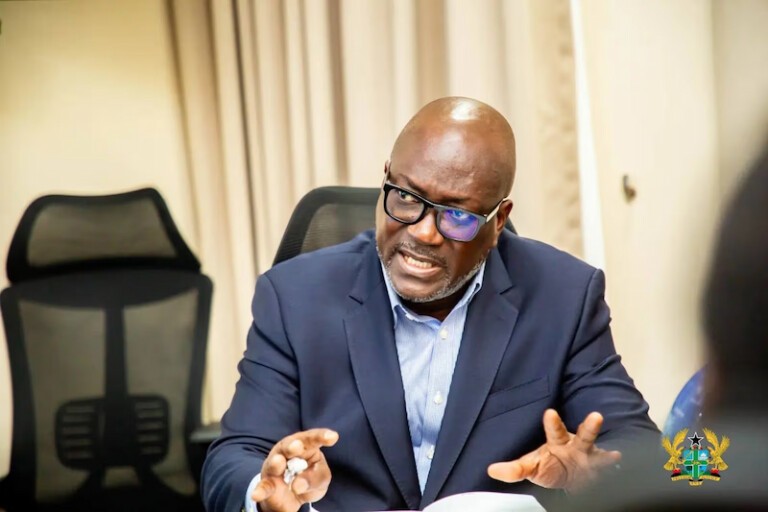
Chairman of the Constitutional Review Committee (CRC), Professor H Kwasi Prempeh, has disclosed that some Ghanaians participating in the committee’s nationwide consultations called for a seven-year single term for Presidents, citing growing frustration with the country’s democratic cycle.

Speaking in an interview with TV3’s Kemmini Amanor, Prof Prempeh said the proposal emerged from widespread public dissatisfaction expressed during the engagement sessions.

According to him, while many citizens still value the democratic freedoms they enjoy, there was a clear sense of fatigue with the repetitive nature of electoral change.

“Some were asking for a seven-year one-term for Presidents,” he revealed, explaining that the views reflected deeper concerns about how democracy is currently functioning in practice.

Prof Prempeh noted that participants consistently acknowledged the strengths of Ghana’s democratic system, particularly the freedom of expression and the power of the vote.

“They like the democracy that they are seeing in terms of an ability to speak your mind, to vote for the government you like, to vote against a party you don’t like,” he said.

However, he observed that this appreciation was increasingly mixed with disappointment.

“I think they were getting a bit tired. We change these parties, and then what?” he asked, capturing the mood of many contributors who questioned whether electoral alternation was translating into meaningful change in their lives.

According to the CRC chair, the feeling of political exhaustion was rooted in a perception that voters are often left with limited real options.

“For most people, you could get the sense that the democracy was becoming choiceless for them,” Prof Prempeh said, suggesting that repeated shifts in political power have not necessarily produced different outcomes.

Despite the frustrations expressed, he described the consultations as encouraging, particularly because of the candour with which citizens shared their views.

“The openness with which people spoke their ideas was quite refreshing to see,” he added, noting that such honesty is critical to shaping constitutional reforms that respond to public expectations.

[ad_2]

At no time did I do anything to my daughters

0

[ad_1]

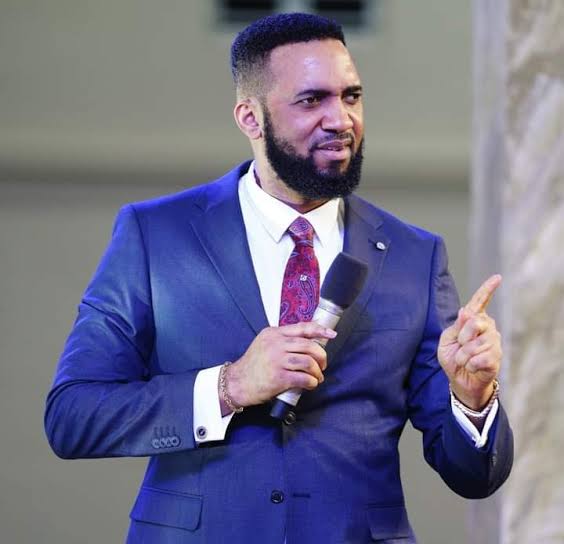
Pastor Chris Okafor has emotionally denied allegations leveled against him, describing them as a calculated attempt to destroy his life, ministry, and reputation following his decision to remarry.

Speaking for the first time on the matter, the Grace Nation Church leader claimed the accusations only surfaced after he began a new chapter in his personal life.

“None of these lies or allegations ever came until I married,” he said. “No one ever came. No one.”

He alleged that his ex-wife had openly vowed to prevent him from moving on, accusing her of fueling a campaign aimed at damaging both him and his church.

“She vowed, ‘I will destroy you. I will destroy the church… I will make sure you never marry again,’” he claimed.

Pastor Okafor firmly rejected any wrongdoing involving his daughters, stressing repeatedly that no form of abuse ever occurred.

“Let it be clear today. At no time did I do anything to my daughters. At no time,” he declared.
“If anything of such had happened, I would have been thrown into jail.”

In a highly emotional moment, he invited his daughter Chidera forward during the address, apologizing for involving her publicly and asking her direct questions about her upbringing.

“Have I ever taught you in any way indecent?” he asked. “No,” she responded. “Has it ever happened in any way?” “No.”

The pastor described the ordeal as deeply traumatic, admitting that the weight of the accusations pushed him into a dark mental space.

“This is the pain I’ve been through,” he said. “It has not been easy. I became suicidal. I thought of committing suicide.”

He concluded by describing the situation as a “well-coordinated attack,” insisting that he had remained silent for years but felt compelled to finally speak due to the emotional toll.

[ad_2]

How Telemedicine Transformed Abortion Access Across The UK

0

[ad_1]

Back in 2020, when COVID changed the world forever, healthcare was forced to adapt overnight, altering many aspects and services to work within this new reality. Among these changes was one of the most critical additions to reproductive healthcare: the ability to access medical abortion at home through telemedicine. What was once introduced as a temporary measure has since become a permanent fixture in the UK.

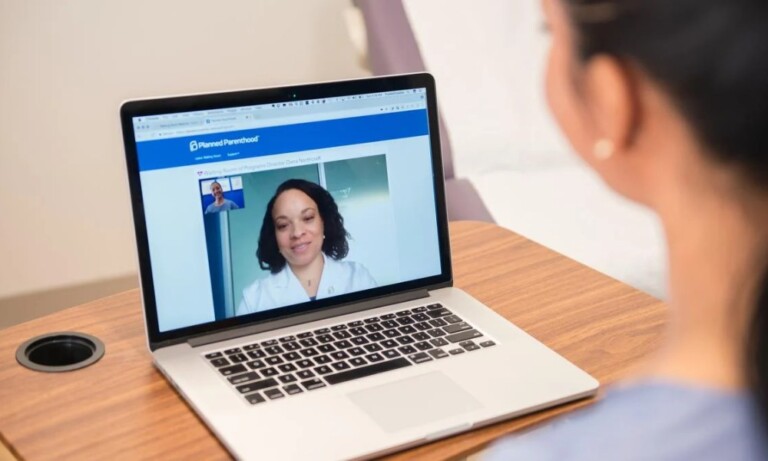
Before this change, obtaining an abortion meant visiting a clinic in person – an appointment that could prove stressful, time-consuming, and logistically challenging. Now, women can consult with healthcare providers remotely and receive abortion pills by post, all without setting foot in a clinic. Let’s explore how this transformation has changed abortion access a little more in detail and what it means for women today.

How telemedicine has changed abortion access

Increased access

The most obvious benefit of telemedicine is the elimination of all travel-related barriers. Before these remote consultations became available, women had no choice but to visit a clinic in person. Consider the obstacles you’d have to overcome for this one appointment in the past: taking time off work, arranging childcare, finding transportation, and travelling long distances just to reach the nearest clinic. It was much worse for women in rural areas or without easy access to transport – the lack of accessible services for them could delay an abortion by weeks, if not make it an outright impossibility.

Telemedicine eliminates all these barriers. You can now have a consultation from your own home, during a lunch break, or after putting the children to bed. Not only that, thanks to this service, you now only need to worry about the cost of abortion pill in the UK, instead of all the piling travel expenses and lost wages from taking time off work.

Reaching vulnerable populations

Apart from the general convenience telemedicine offers, its importance in reaching vulnerable populations cannot be overstated. Women in controlling environments or abusive relationships, for instance, can now get an abortion much more discreetly. Rather than explaining a clinic visit to a partner, they can have a private phone or video consultation that appears like any other call.

Women still living with parents, those in areas where abortion remains heavily stigmatised, and individuals with disabilities who couldn’t previously visit a clinic – all of these people have benefited enormously from telemedicine, thanks to its accessibility and privacy.

Reduced waiting times

Many studies have shown that in countries with the introduction of telemedicine the average waiting time for an abortion has dropped significantly. Before remote consultations became a thing, women had to wait two to three weeks between their initial contact with services and their abortion. With telemedicine, many women can get an abortion within a few days of the first contact.

To put into perspective how much this time reduction matters, consider this: as the pregnancy continues to progress every week, the physical and emotional difficulty of the procedure also increases. The passage of time also reduces our choice of method for the abortion, as you can only opt for medical abortion for up to 9 weeks of gestation. For women who’ve made their choice, any unnecessary delays only serve to prolong their distress and uncertainty.

Earlier abortions

Going further on the gestation period, the shorter wait times of telemedicine have also made it possible for women to get an abortion at earlier gestational stages. With abortion care now more accessible than ever, women are more likely to have their abortion in the first few weeks of pregnancy rather than waiting until later.

Earlier abortions typically mean fewer complications and better outcomes. The abortion pills are at their most effective in the earliest weeks of pregnancy, and the physical side effects tend to be less intense when taken earlier. From a medical standpoint, removing all barriers that can delay an abortion directly improves a patient’s safety and well-being.

Increased patient autonomy

Being able to manage your healthcare in an environment you are familiar with can feel empowering to many. Telemedicine, in this regard, has fundamentally altered the experience of medical abortion to give women more control over their own care. Rather than spending hours in a clinical setting, women can now have their consultations at home, clear all their doubts without moving out of their comfort zone, and take the abortion pills with their loved ones nearby for support.

Is abortion at home safe?

At the end of the day, telemedicine is about managing a medical procedure on your own at home rather than in a clinical setting. In such a scenario, it is easy to wonder how safe the procedure actually is.

Speaking of getting an abortion using pills, it is the most common method of terminating a pregnancy in the UK, and for good reason: it is safe and effective. It can be easily managed at home with proper medical guidance. The process involves taking two medications – mifepristone followed by misoprostol 24 to 48 hours later – which together end the pregnancy and cause the body to expel the pregnancy tissue.

Of course, the safety of telemedicine depends on proper medical oversight. Reputable telemedicine services conduct thorough consultations to ensure medical abortion is appropriate for each case. They provide clear instructions on what to expect, how to manage side effects, and most importantly, when to seek additional medical help.

The future of abortion access

The permanent adoption of telemedicine for abortion services is proof that healthcare, particularly reproductive healthcare, should be as accessible and patient-centred as possible. For many women, the option to access medical abortion at home has made what is already a tricky situation into something more manageable.

The combination of increased privacy, reduced waiting times, and the comfort of being in familiar surroundings has transformed what abortion access looks like in the UK. Though telemedicine isn’t a replacement for traditional clinic services, it has removed the barriers associated with the latter and given women time, privacy, dignity, and agency at a moment when they need all of them most. That, in the end, is what progress looks like.


[ad_2]

Let them work to 70

0

[ad_1]

Professor H Kwasi Prempeh has questioned Ghana’s approach to retirement within the university system, arguing that the compulsory retirement age of 60 for lecturers is increasingly out of step with both productivity and institutional needs.

Speaking in an interview with TV3’s Kemmini Amanor, the Chair of the Constitutional Review Committee stated that the current framework forces capable academics out of classrooms while their expertise remains in demand.

“Our judges are retiring at 65 and 70, and so why must university lecturers, some of them still very sharp, at 60 years?” he asked.

According to Prof Prempeh, the CRC is proposing the removal of the fixed retirement age from the Constitution, allowing Parliament to set and review retirement thresholds more flexibly.

He argued that this would give institutions such as universities the room to retain staff who are still productive.

“Take it out and then, as and when you need to play with it, it is easier to do it in Parliament,” he said, adding that broader deliberation would lead to more practical outcomes.

He pointed to the current practice where retired lecturers are immediately re-engaged on contract as evidence that the system is failing.

“Everybody knows that it is not working. Let them work to 70,” Prof Prempeh stressed, suggesting that a structured extension would be more honest and efficient than short-term contractual arrangements.

[ad_2]

CRC chair warns against linking retirement to youth unemployment

0

[ad_1]

Professor H Kwasi Prempeh has rejected the idea that lowering or strictly enforcing retirement ages is an effective way to solve unemployment, describing the logic as overly simplistic and disconnected from how labour systems actually function.

In his interview with TV3 monitored by MyNewsGh, Prof Prempeh cautioned against framing retirement policy as a mechanism for job creation. “You don’t use retirement age that way,” he said, pushing back against the assumption that older workers stepping aside automatically creates opportunities for younger people.

He explained that workforce mobility is far more complex than a one-out-one-in arrangement.

“The 80-year-old who leaves the classroom is not going to be replaced by the guy who is looking for a job. It doesn’t work that way easily,” he noted, urging policymakers to examine employment challenges more holistically.

While acknowledging that retirement does affect movement within institutions, Prof Prempeh insisted it should not be treated as an employment valve.

“Retirement age has some connections with mobility through the system, but let us not use it as an employment kind of valve,” he said, warning that such thinking risks distorting policy decisions.

[ad_2]

I missed death by a decimal point

0

[ad_1]

Veteran music producer Fred Kyei Mensah has recounted a harrowing experience from December 2013, revealing how he narrowly escaped death while assisting victims of a road accident, exactly 12 years on.

In a post shared on social media sighted by MyNewsGh, Mensah recalled that the incident occurred after a major concert in Tamale organised by NMJ Ghana, an advertising and event agency then owned by Nana Michaels Dzikunu Williams and Wilhelmina Abiba Abu Andani.

He explained that he was responsible for sound and technical production for the event, which featured Shatta Wale as the headline act.

“12 YEARS ON TODAY, I WAS NEARLY KILLED,” Mensah wrote, marking the anniversary of the traumatic moment.

According to him, the team travelled to Tamale by a chartered Africa World Airlines flight and were received with a grand welcome, including a convoy of motorbikes.

The visit also included a courtesy call on the Regent of Tamale. At the time, Shatta Wale was regaining momentum in his career after a hiatus following his Bandana era and had recently stirred controversy at the Vodafone Ghana Music Awards.

Mensah disclosed that plans nearly derailed when the artiste initially declined media interviews and traditional visits.

“He complained of tiredness and said he could not go on those assignments. Stubborn!” he wrote, adding that it took the intervention of then-manager Bullgod to resolve the situation.

The concert eventually went ahead successfully, attracting a massive crowd and strong performances from local artistes and a Nigerian guest. The team returned to Accra the following day, with some members travelling by road.

It was during efforts to assist those involved in a road accident near the Nsawam bypass that Mensah’s life was almost cut short. “While helping with the rescue mission, I nearly lost my life,” he stated, explaining that a speeding trailer narrowly missed him at the scene.

“I missed death by a decimal point. Herrr,” he added, describing the moment with a mix of shock and dark humour.

“Despite sustaining injuries, Mensah survived the ordeal, though he admitted the memory still lingers. “That memory still haunts me till date. I thank God I am alive today,” he wrote.

He concluded the post by extending seasonal greetings, saying, “Merry Christmas and a Happy New Year.”

[ad_2]

People enjoy free speech but feel politically stuck – CRC chair

0

[ad_1]

Professor H Kwasi Prempeh has revealed that public consultations by the Constitutional Review Committee uncovered growing frustration among citizens who feel Ghana’s democratic system no longer offers meaningful choices.

Reflecting on engagements held by the CRC, Prof Prempeh said people were appreciative of the freedoms democracy provides, particularly the ability to speak freely and vote governments in or out.

“They like the democracy that they are seeing in terms of an ability to speak your mind, to vote for the government you like, to vote against a party you don’t like,” he said on Hot Issues on TV3 monitored by MyNewsGh.

However, he noted that beneath that appreciation lay a deeper weariness. “I think they were getting a bit tired. We change these parties, and then what?” he asked, suggesting that many citizens no longer feel that electoral change leads to substantive transformation.

According to him, several participants expressed a sense that democracy had become limiting rather than empowering.

“For most people, you could get the sense that the democracy was becoming choiceless for them,” Prof Prempeh observed.

Despite the frustration, he described the openness of the discussions as encouraging.

“The openness with which people spoke their ideas was quite refreshing to see,” he said, adding that the honesty of the feedback would shape how the CRC approaches reform proposals.

[ad_2]

Age should not disqualify leadership – Prof Kwasi Prempeh

0

[ad_1]

Professor H Kwasi Prempeh has defended the Constitutional Review Committee’s recommendation to lower the minimum age for presidential candidates from 40 to 30, arguing that democracy should allow voters to decide who is fit to lead.

Addressing concerns that a 30-year-old may be too young to govern, Prof Prempeh dismissed the fear as misplaced.

“It doesn’t mean that when you are 30 and you stand for president you are going to get elected,” he said on TV3’s Hot Issues, stressing that eligibility does not guarantee victory.

He explained that age is visible to voters and forms part of their judgment.

“The people themselves know what they are getting; it is not as if your age is off-limits,” he noted. “If they choose to vote for you, that is their problem.”

Prof Prempeh argued that maturity and competence are not strictly tied to age.

“If you are 30 and they feel you have accomplished a lot and you have a lot to offer, your maturity shows, your experience shows, and they want to vote for you, that is their choice,” he said.

He also placed the proposal in historical and global context, pointing out that Ghana’s 1960 Constitution allowed younger candidates and that many advanced democracies elect leaders well below 40.

“So 40 years seems to us a bit high,” he concluded.

[ad_2]

Mahama assures Gomoa Central of roads, jobs and a 24-hour industrial future

0

[ad_1]

President John Dramani Mahama has given firm assurances that Gomoa Central will soon witness major infrastructure and industrial transformation, following his Christmas visit to the constituency.

Gomoa Central MP Kwame A Plus described the visit as more than a festive retreat, saying it came with “clear and reassuring commitments” from the President towards development.

“The President assured us that the Winneba–Swedru Road will be fixed, and that additional roads will be constructed across Gomoa Central to improve connectivity and unlock economic opportunities,” the MP stated.

According to him, the road projects are expected to ease movement between communities, support local businesses and stimulate trade within the Central Region.

A major highlight of the visit was President Mahama’s confirmation that he will personally attend the sod-cutting ceremony for the Gomoa Central Special Economic Zone, a flagship industrial project under the government’s 24-Hour Economy Programme.

“This industrial zone will operate round the clock, attract large-scale investments and create about 300,000 sustainable jobs within a few years,” Kwame A Plus said.

The MP explained that the Special Economic Zone is designed to position Gomoa Central as a key industrial hub, capable of driving manufacturing, exports and employment on a national scale.

In addition to the industrial project, President Mahama is also expected to commission the Ahmadiyya Poultry Project at Gomoa Pomadze, a modern, automated poultry and livestock facility.

“This is a project that will employ many people, increase local meat production and significantly reduce Ghana’s dependence on meat imports,” the MP noted.

He added that with its size and advanced technology, the facility has the potential to become one of the largest poultry farms in West Africa.

Kwame A Plus concluded that the commitments reaffirm the government’s vision of economic renewal.

“Ghana is rising, the Central Region is resetting, and Gomoa Central is opening up for business,” he declared.

[ad_2]