

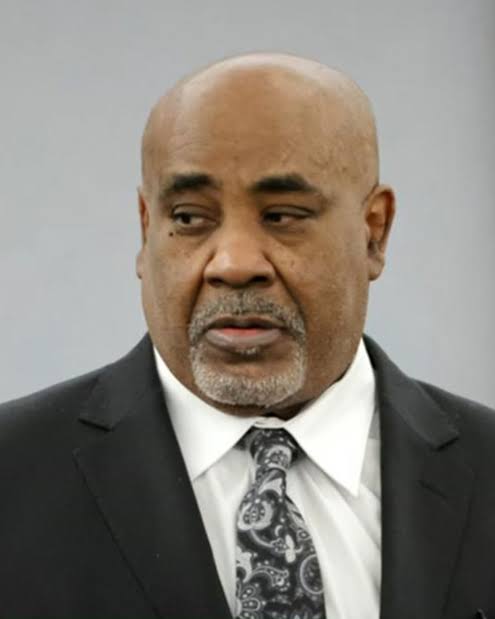
The man accused of orchestrating the 1996 murder of rap icon Tupac Shakur reportedly told police in 2008 that his nephew was the person who fired the shots that killed the rapper.
Duane “Keffe D” Davis is currently on trial in Las Vegas, where he faces one count of murder with a deadly weapon over Shakur’s death. Davis, 63, has pleaded not guilty.During court proceedings on Thursday, jurors heard a recording of a 2008 police interview in which Davis discussed what happened on the night Shakur was shot.
According to the interview, Davis said he was travelling in a Cadillac that pulled alongside the vehicle carrying Shakur. He told detectives that he had a gun but passed it to another passenger, Deandre “Big Dre” Smith, who did not want it.Davis then said his nephew, Orlando Anderson, took the weapon and opened fire.
Anderson, who was previously linked to the case, died years before the 2008 interview. He had denied involvement in Shakur’s murder.Prosecutors argue that Davis may not have been the person who physically fired the gun, but that he helped organise the attack and provided the weapon. They allege the shooting was planned after Anderson became involved in a fight with Shakur at a Las Vegas casino earlier that night.
The prosecution has also pointed to statements Davis made in a 2019 memoir, Compton Street Legend, which he co-authored. In the book, Davis described being in the vehicle when Shakur was shot and claimed he threw the gun into the backseat.However, Davis has since distanced himself from parts of the memoir, saying he did not write everything in it and that some material was fictionalised.
The 2008 police interview also included questions about Davis’ alleged conversations with Sean “Diddy” Combs concerning Shakur and Marion “Suge” Knight, who was in the car with Shakur when the shooting occurred.
Davis’ lawyer, Michael Sanft, has urged jurors to question the reliability of his client’s previous statements. He argued that claims made in interviews and books should not automatically be treated as fact without independent evidence supporting them.The defence has also questioned the reliability of prosecution witnesses and criticised aspects of the police investigation.A former Las Vegas homicide detective previously told jurors that investigators were unable to find a witness who could identify the person who actually fired the shots.
The trial, which began decades after Shakur’s death, is expected to revisit the long-standing questions surrounding one of hip-hop’s most notorious unsolved killings.


