

James “Mob James” McDonald, who was part of Tupac’s wider circle and worked with Death Row Records, repeatedly resisted answering questions about who was responsible for the shooting.
At one point, McDonald looked toward Davis and told him, “I don’t want to send you to prison,” explaining that the answers prosecutors and defence lawyers were seeking could potentially hurt the accused.Davis, who has pleaded not guilty, is accused of helping orchestrate the shooting that killed Tupac in Las Vegas nearly 30 years ago.
McDonald said he had been threatened with contempt of court if he refused to testify. His frustration became clear as he challenged questions from Davis’s defence lawyer, Michael Sanft.“Talk to your lawyer, man.
This dude is tripping,” McDonald told Davis at one point.He later explained that although he was not at the scene when Tupac was shot, people within the rapper’s entourage quickly learned who they believed was responsible.
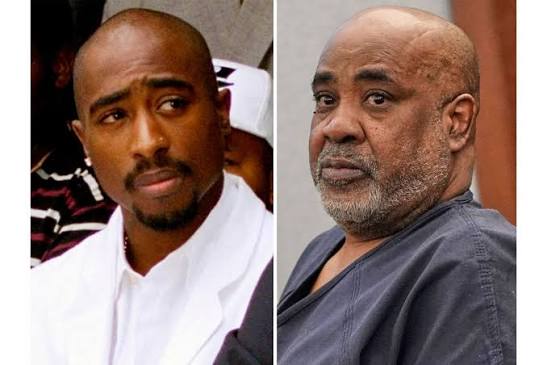
McDonald described the situation as part of a wider gang conflict, saying people were looking for revenge after Tupac’s death. He also said Davis and his nephew, Orlando Anderson, became central figures in the conflict.Tupac was shot in a drive-by attack on 7 September 1996, shortly after attending a Mike Tyson boxing match in Las Vegas. He died in hospital six days later at the age of 25.
Prosecutors allege that Davis helped plan the attack after Anderson was involved in a fight with Tupac earlier that night.
The case remained unsolved for decades before Davis made statements about the shooting. In a memoir, he claimed he was inside the vehicle from which shots were fired at Tupac’s car and said he had supplied the gun used in the attack. Davis has since disputed parts of the memoir, saying he did not write all of it and that some details were fictionalised.
Another witness, Reggie Wright Jr., who once worked on Tupac’s security team and later became general manager of Death Row Records, also testified during the proceedings.The trial is expected to continue as prosecutors and the defence present more evidence in the long-running case.For many fans, Tupac’s death remains one of the most talked-about unsolved murders in music history. The current trial could finally provide answers about what happened on that September night in 1996.


